Wiki
One concept per page, in the order you need them, for a reader with school mathematics.
Every page needs only the pages above it, and the book reads them all in that order on one page.
Start here

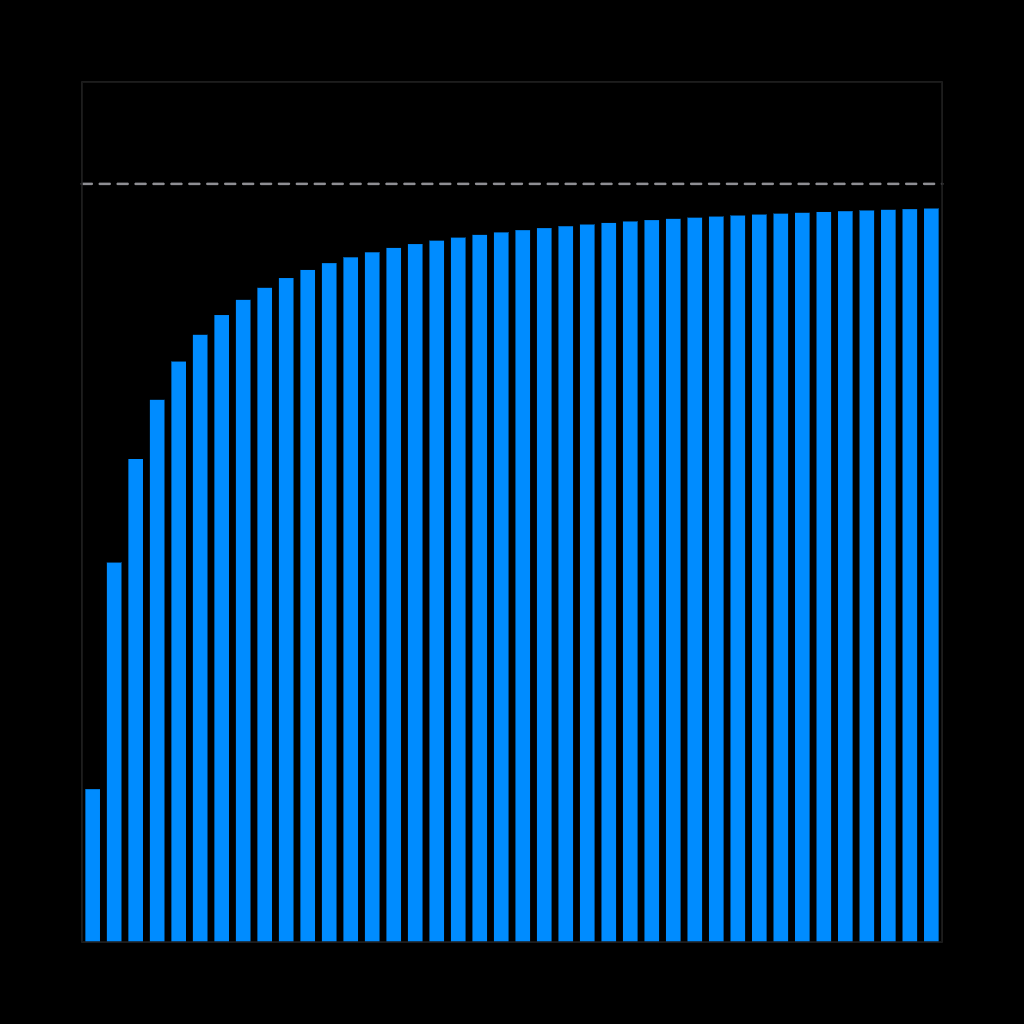
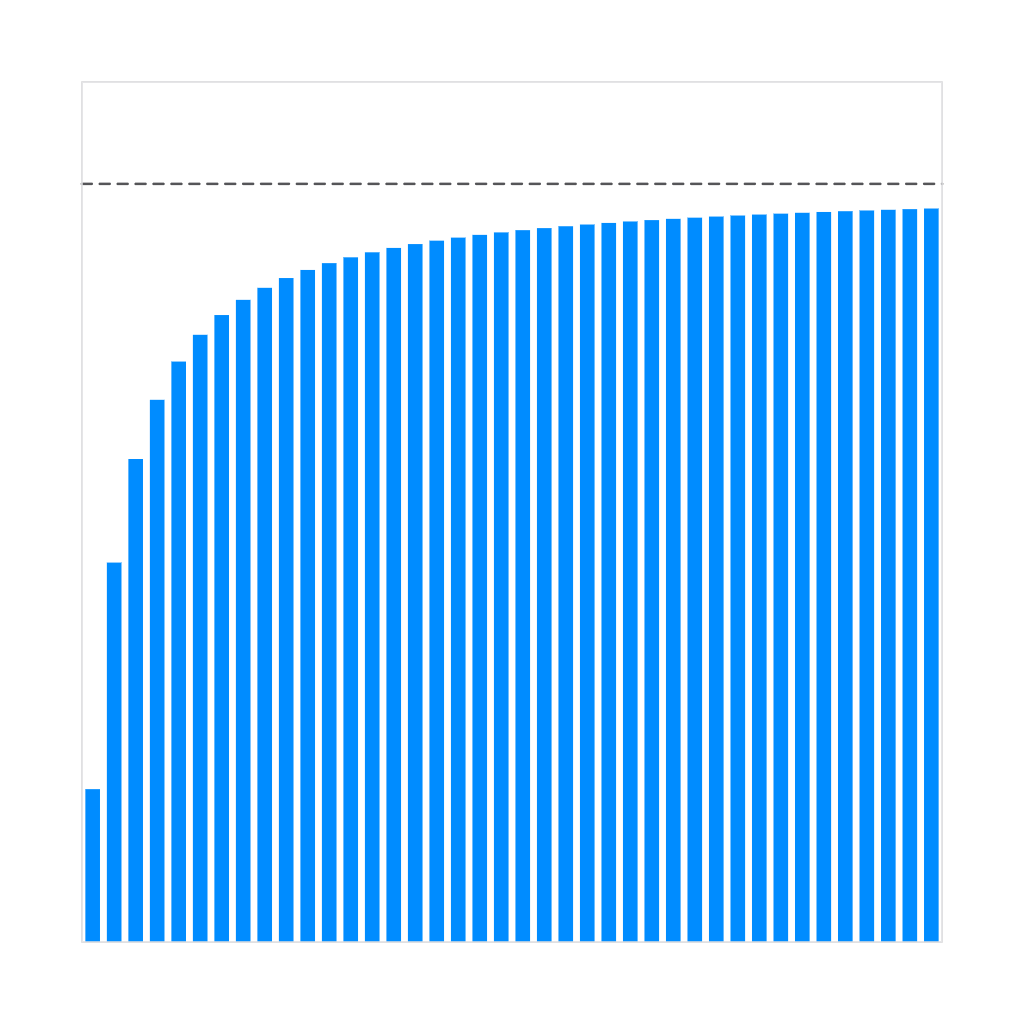
One step in
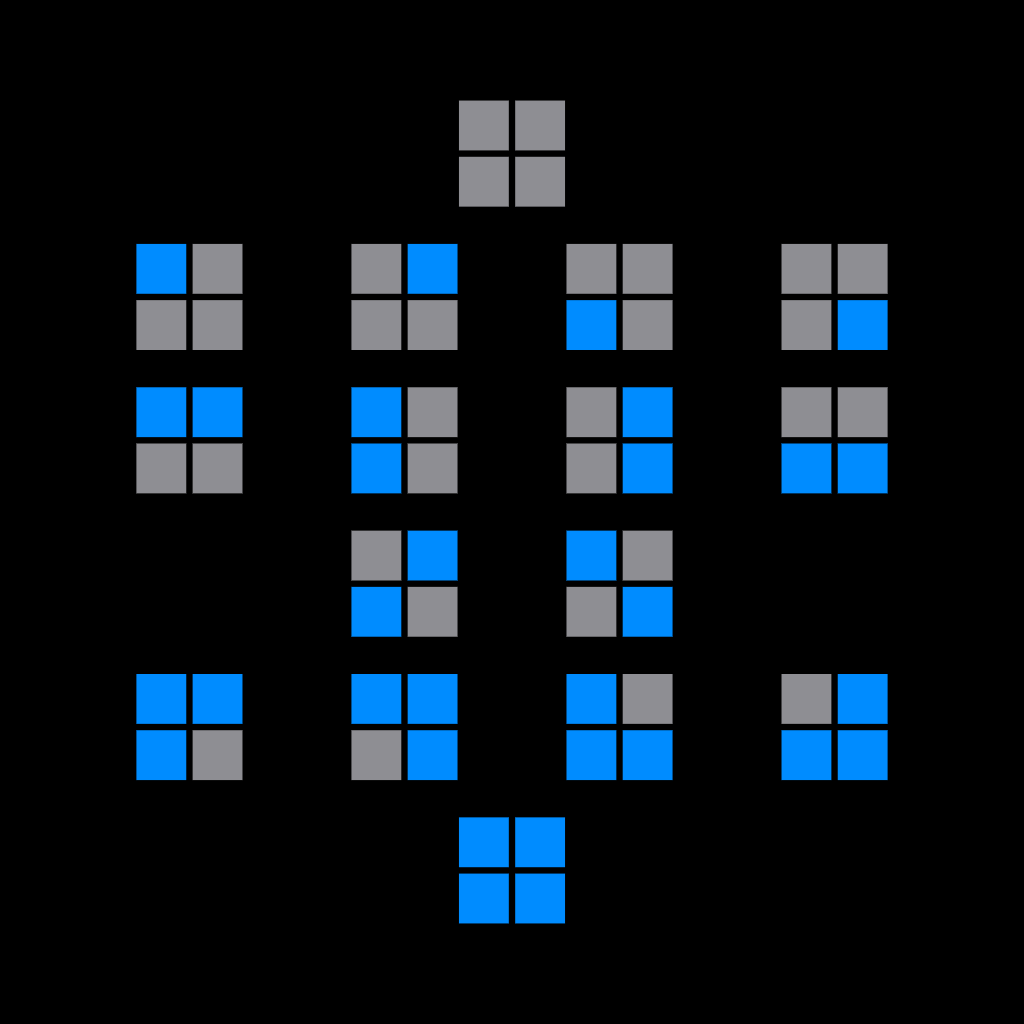
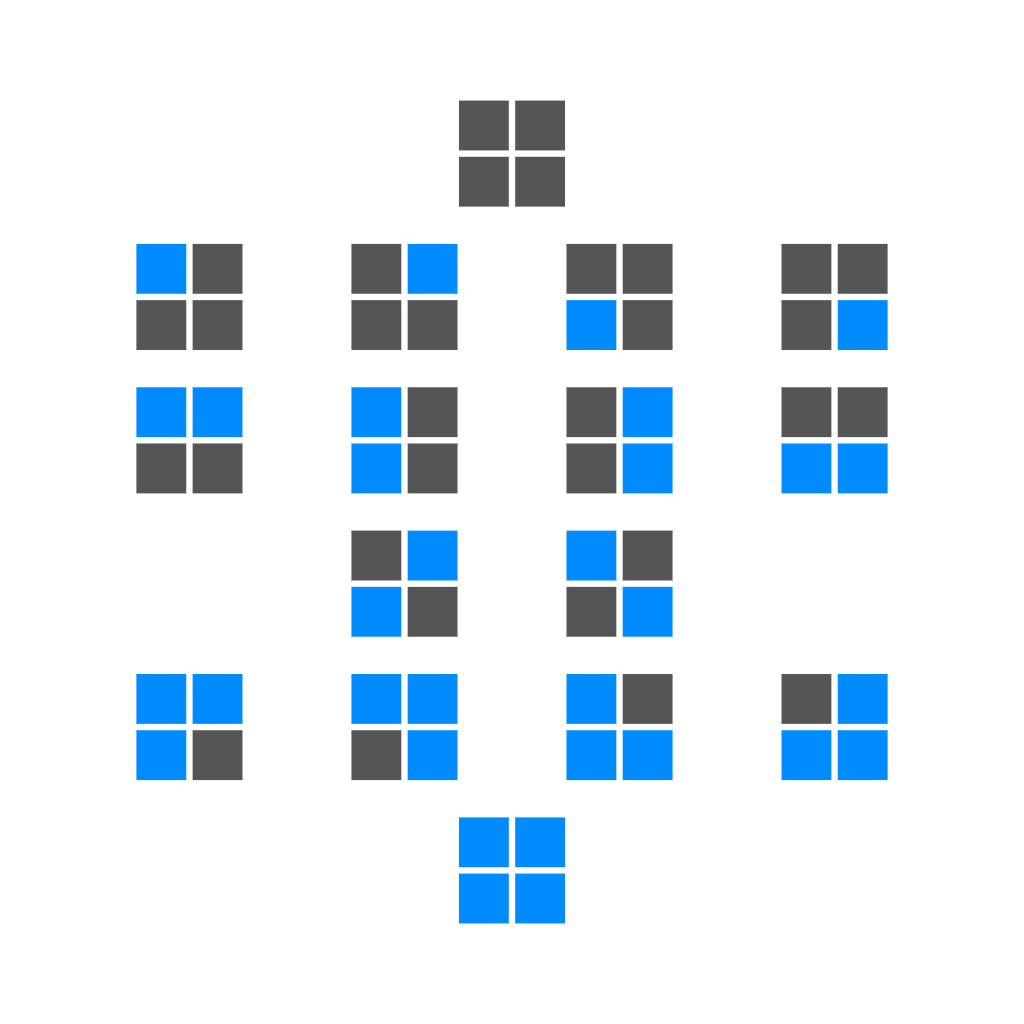
Burnside's lemma
Counting arrangements that turning and flipping should not tell apart, by averaging how many each symmetry leaves untouched.
After Parity
Cellular automata
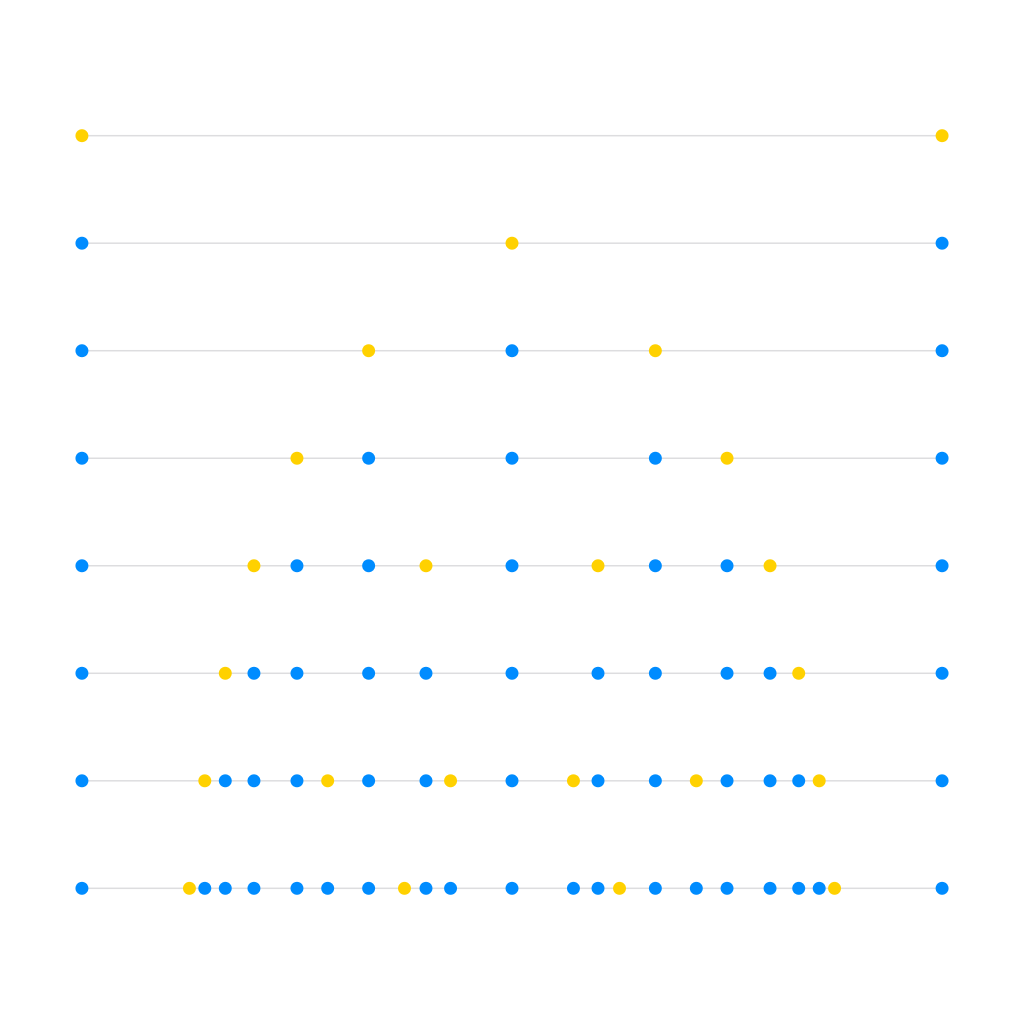
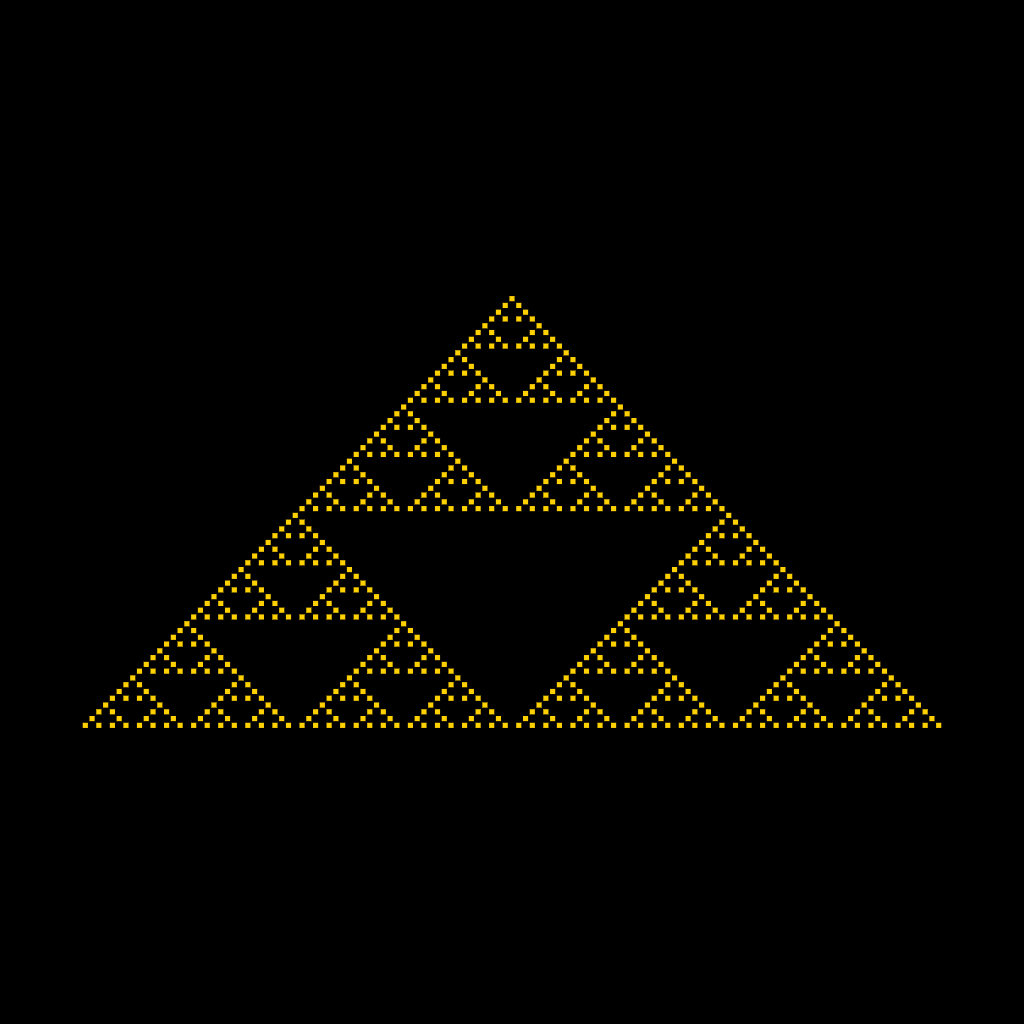
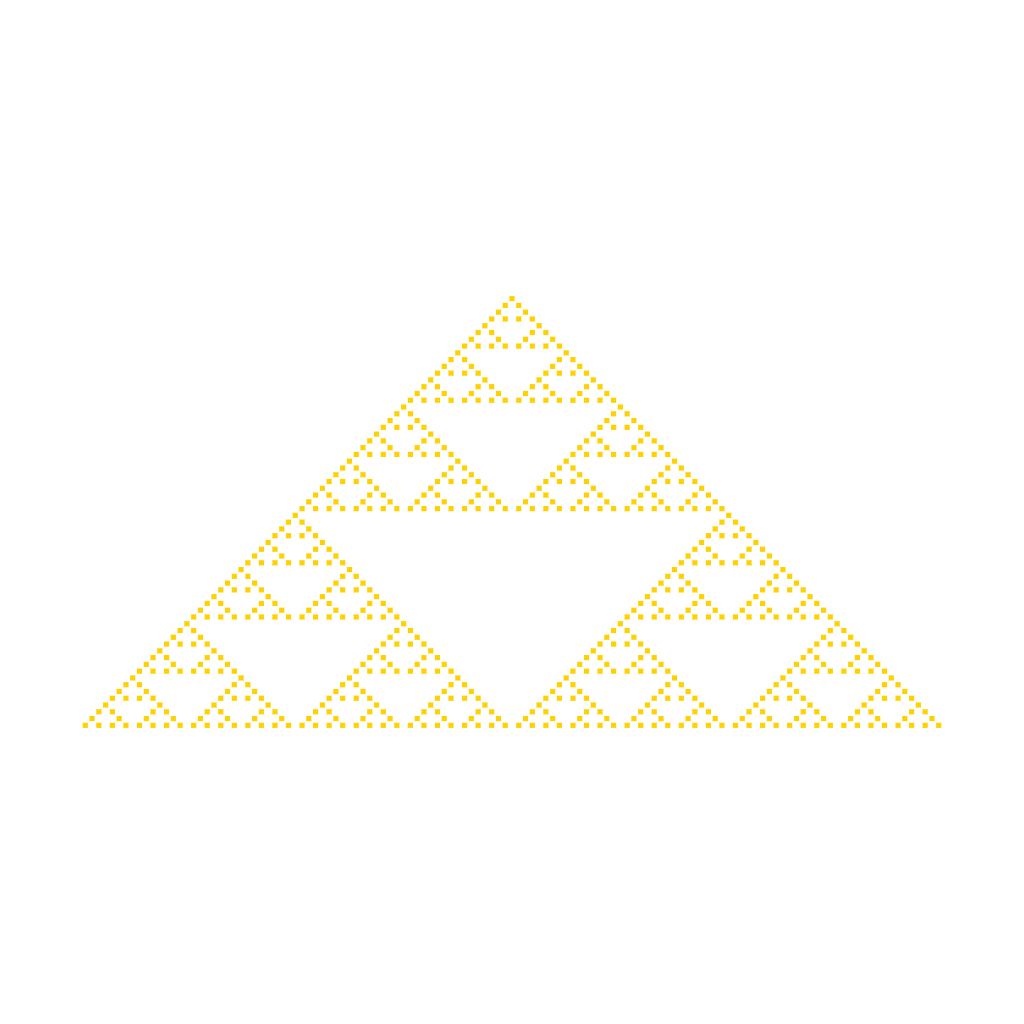
A row of cells, a rule that reads each cell with its two neighbours, and a new row written underneath; run it and the rows draw a picture.
After Parity
Ford circles
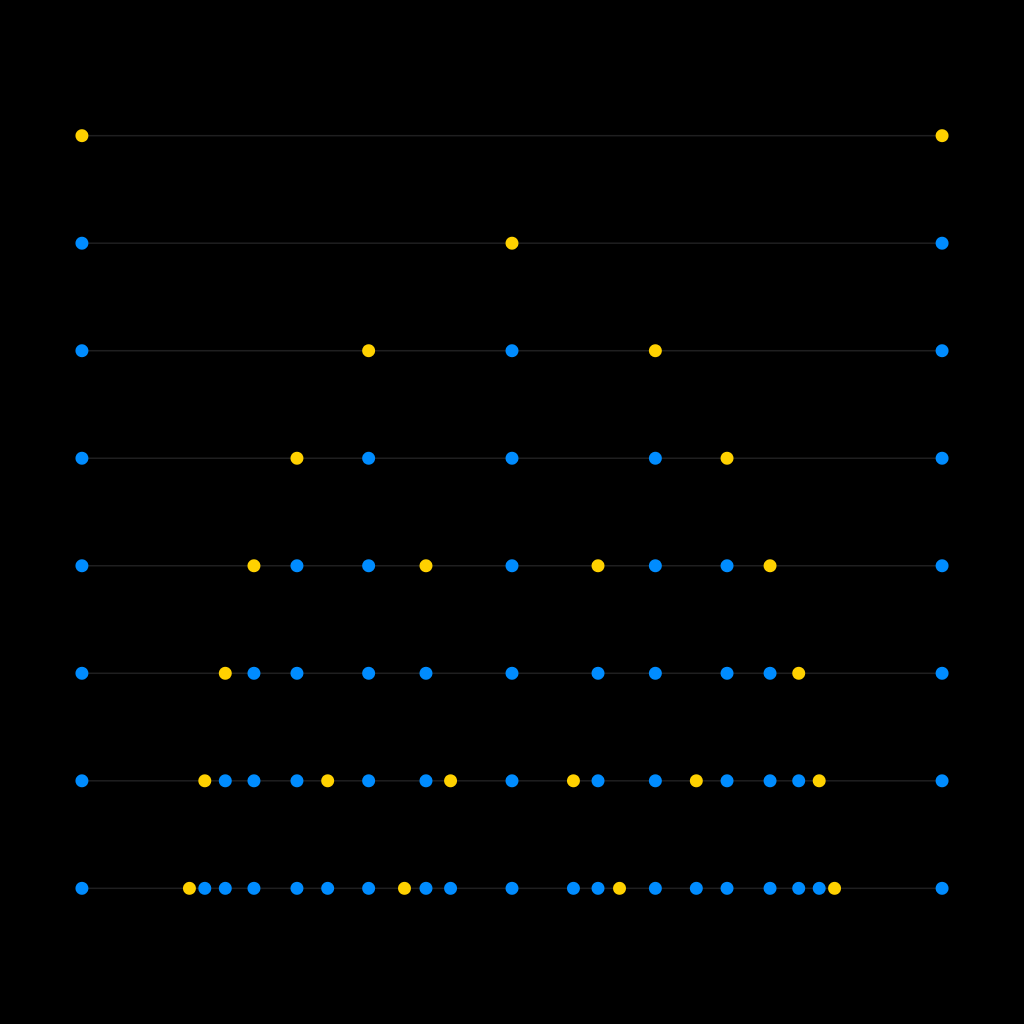
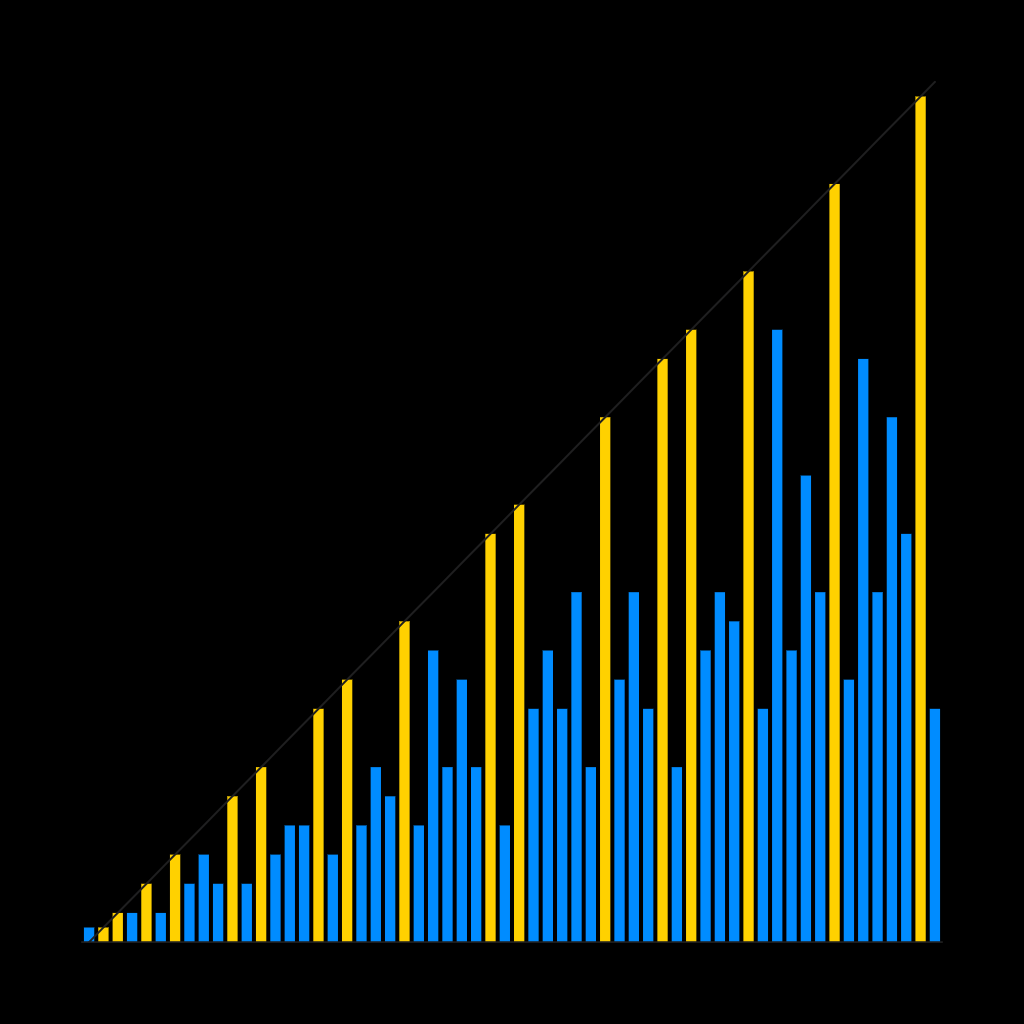
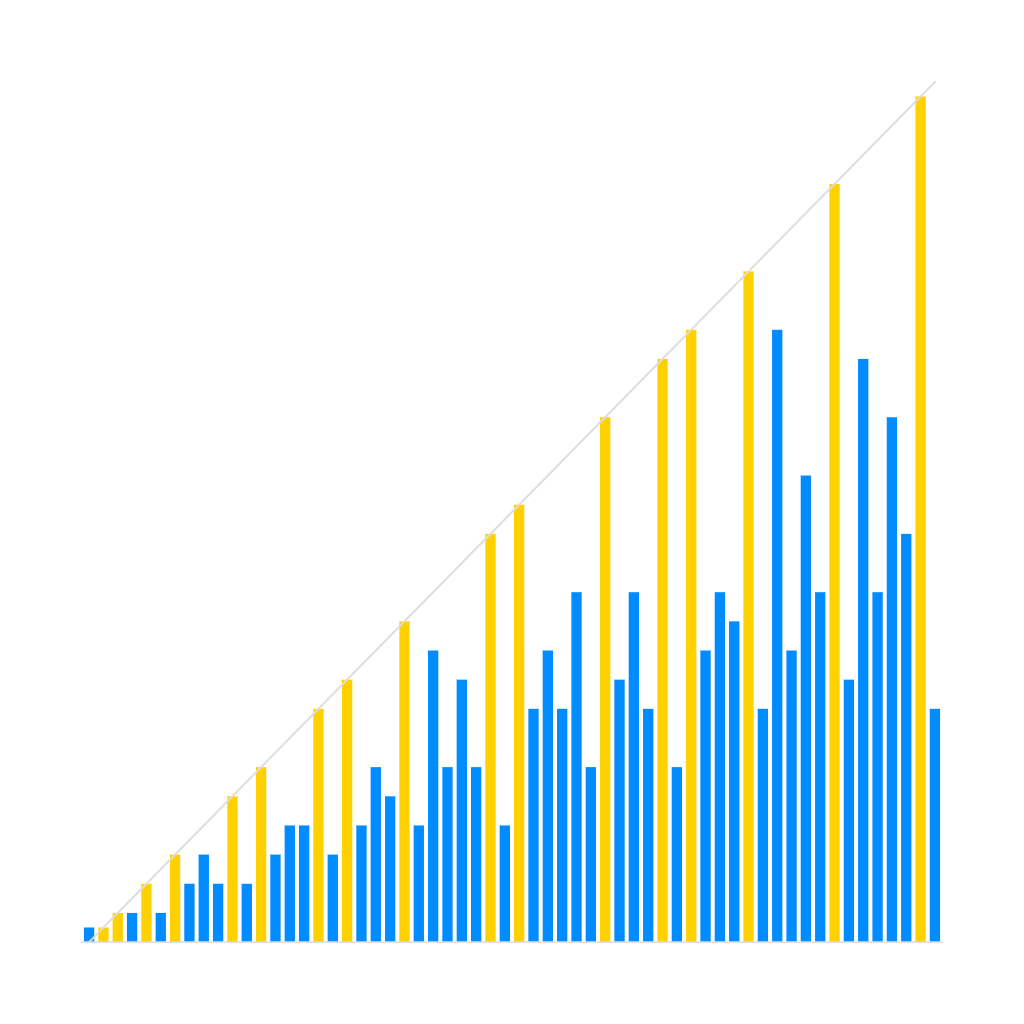
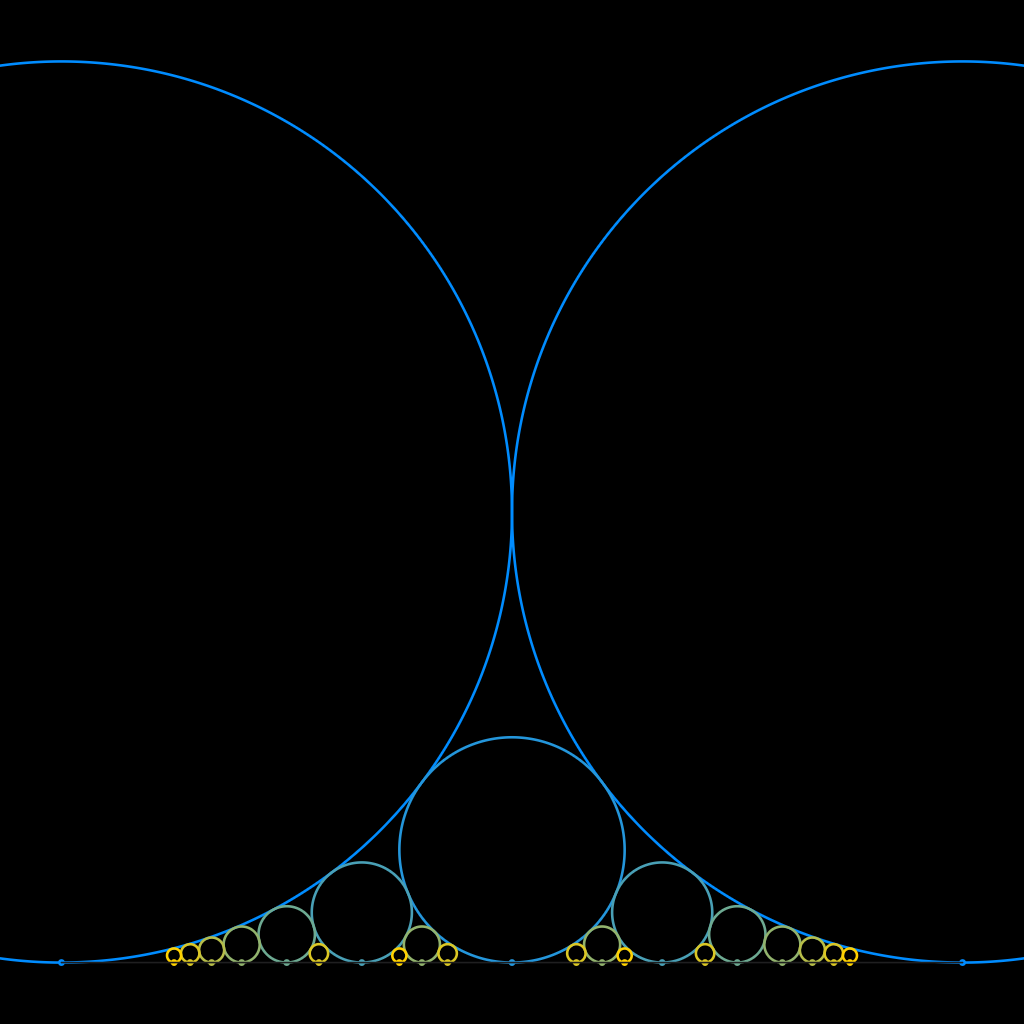
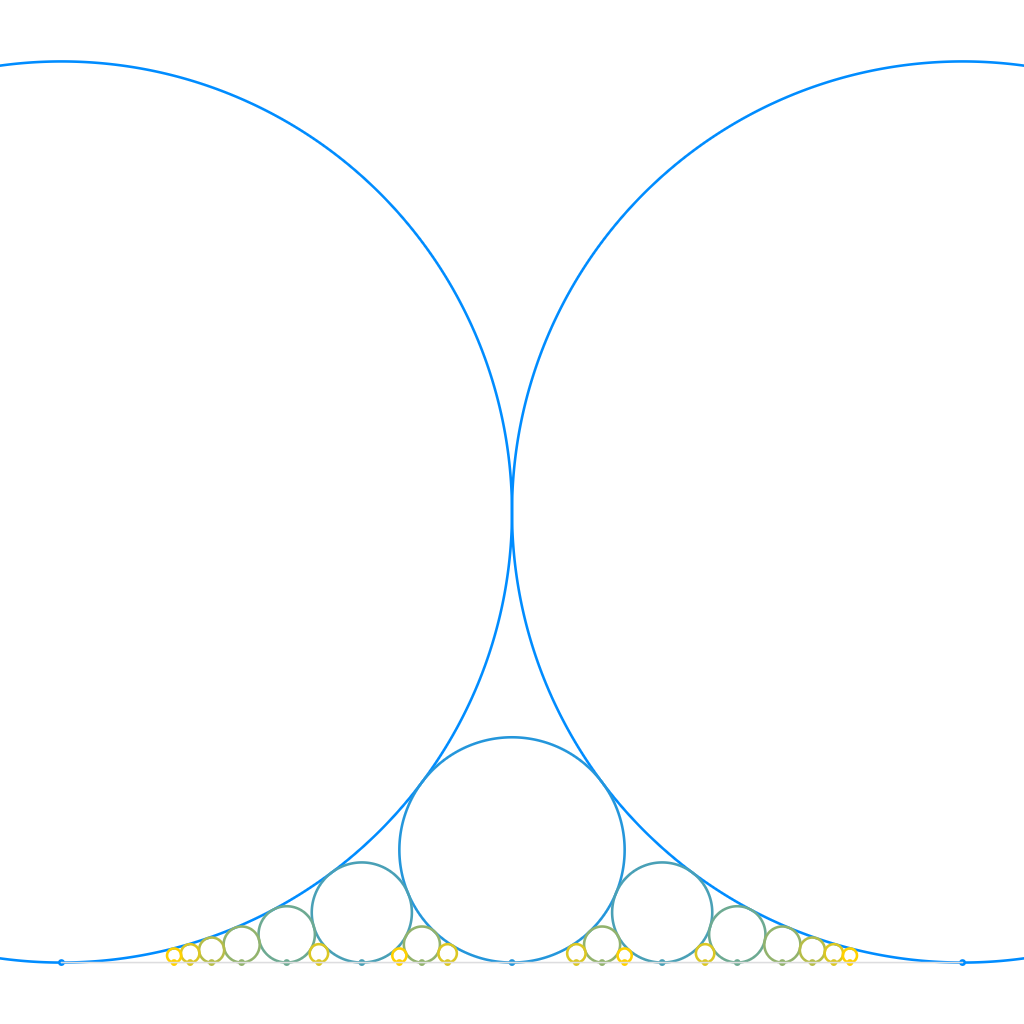
Above every fraction sits a circle resting on the number line, the simpler the fraction the bigger the circle, and no two of them ever overlap.
After The Farey sequence
The Gaussian integers
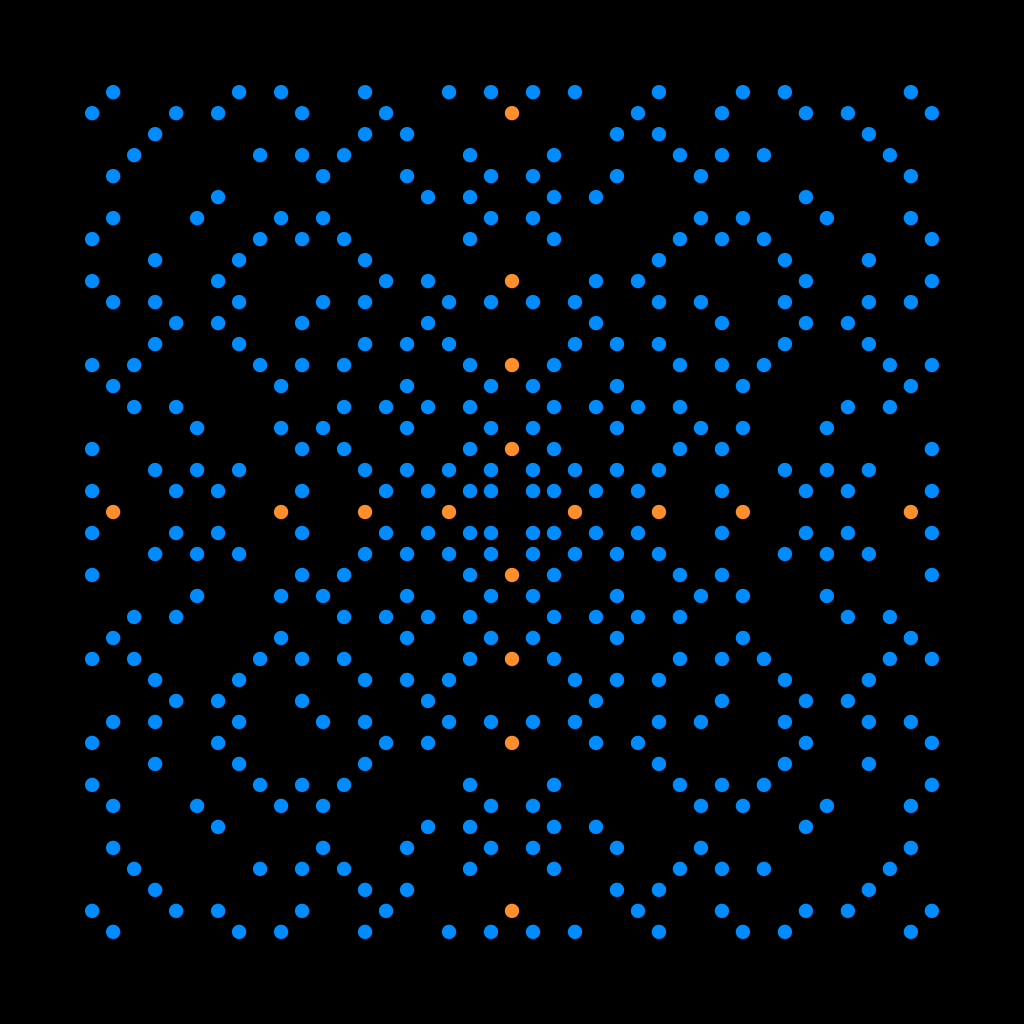
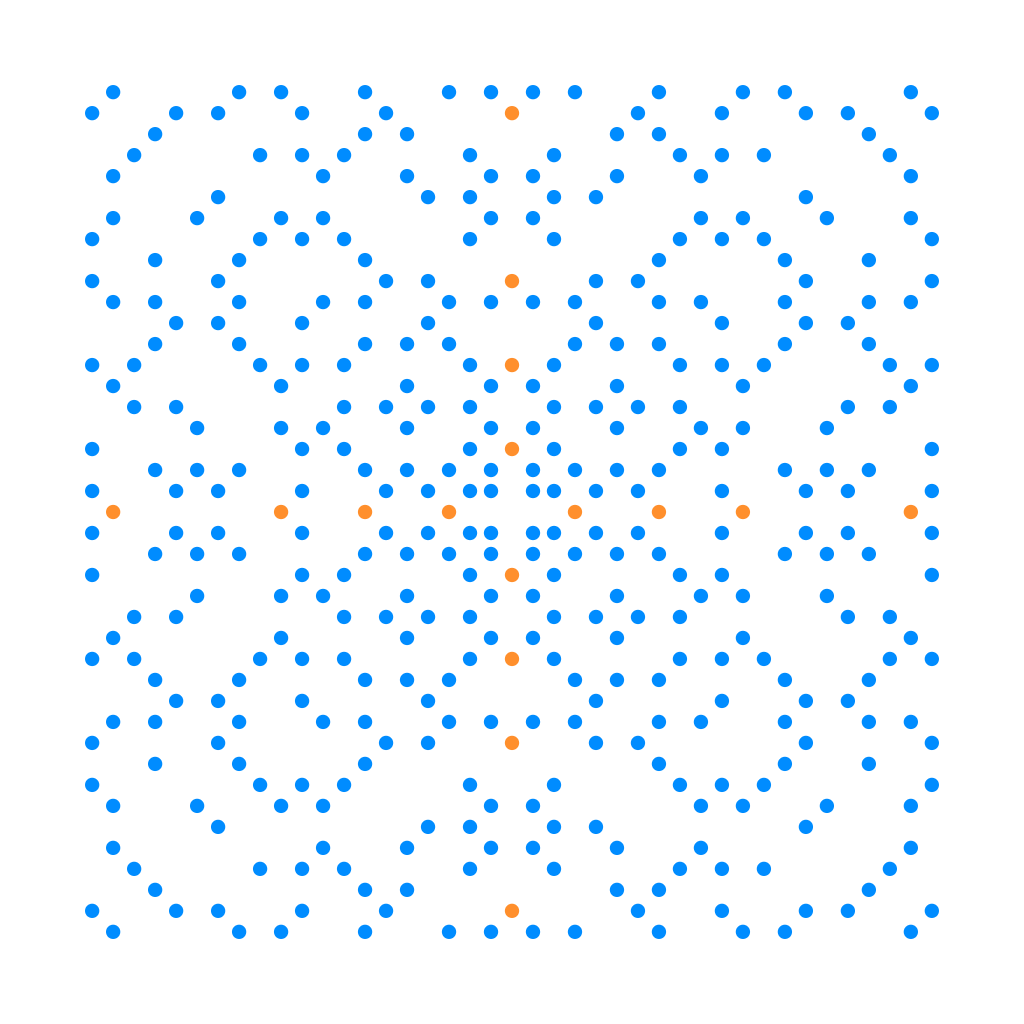
Numbers of the form a plus b times i, drawn as a square lattice, where each point has a size and some ordinary primes break in two while others stay whole.
After Prime numbers
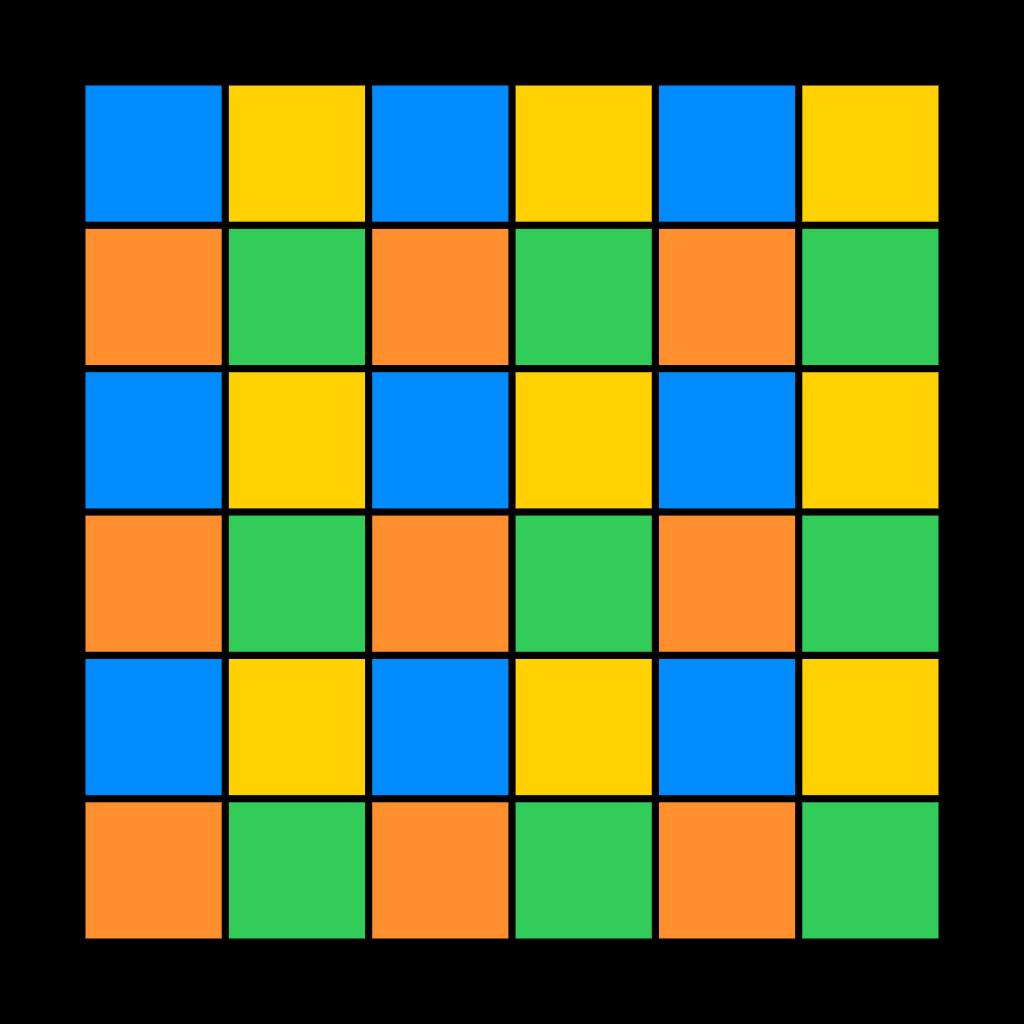
Graphs
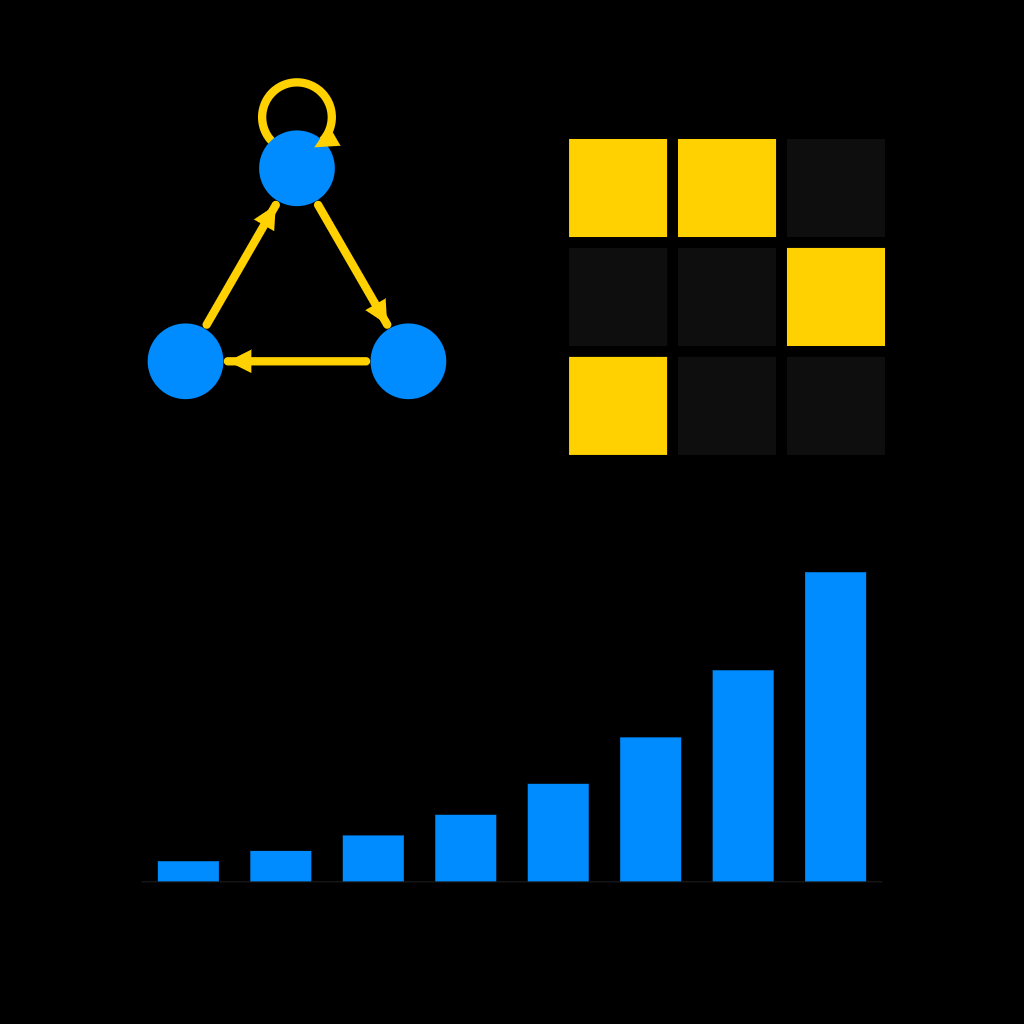
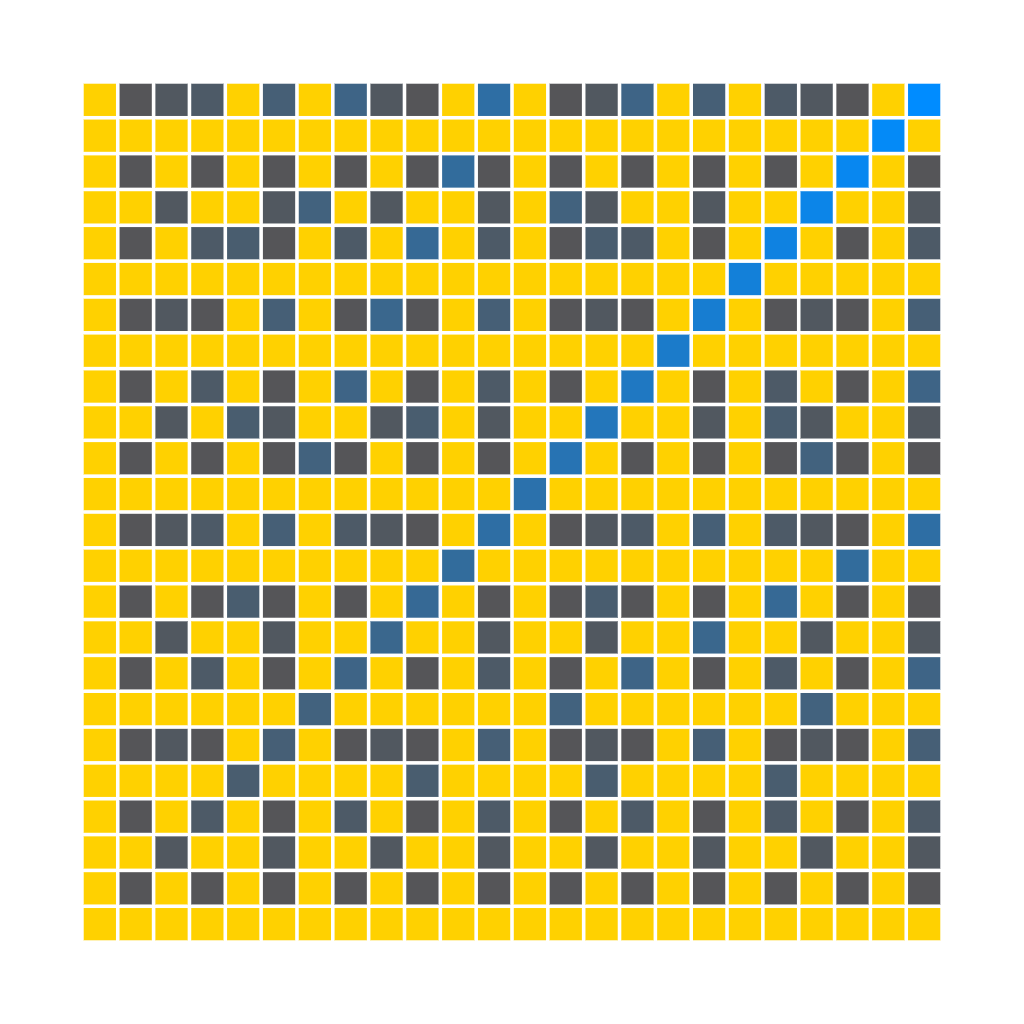
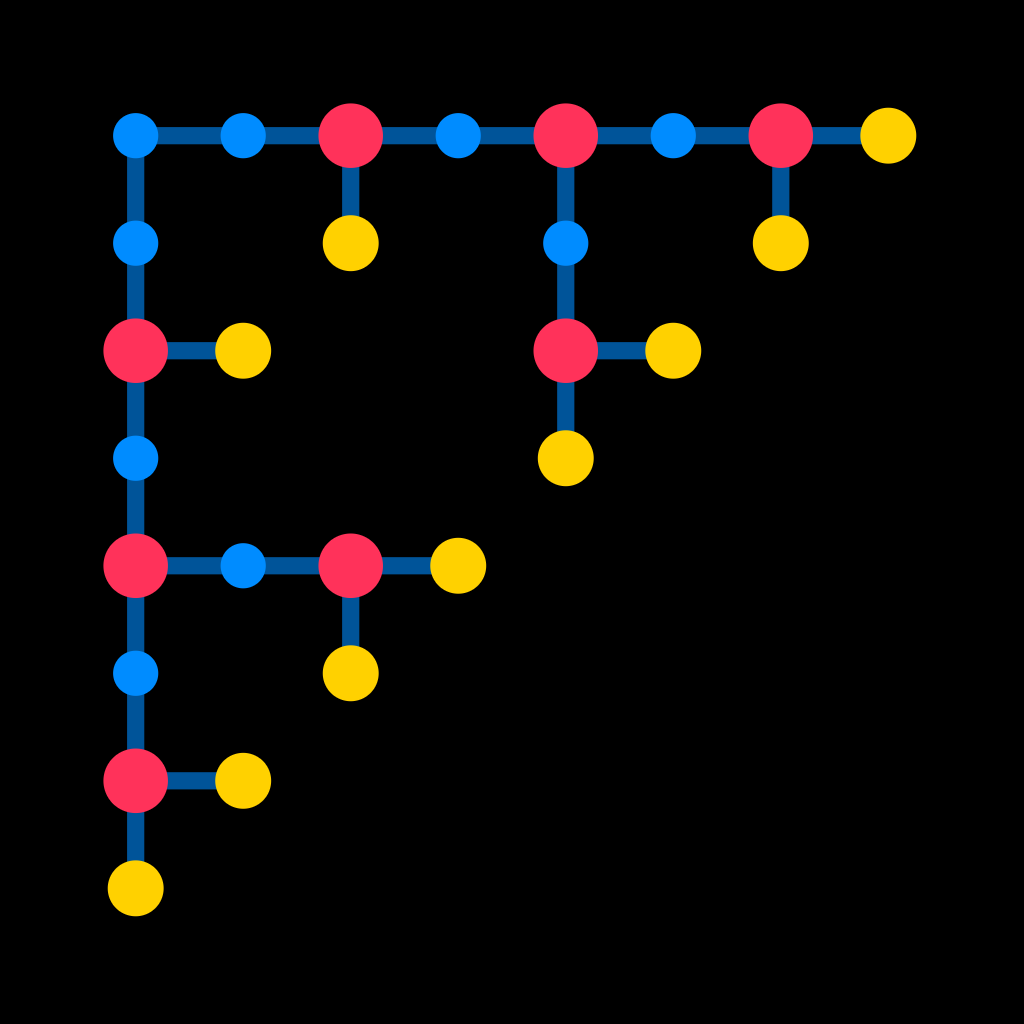
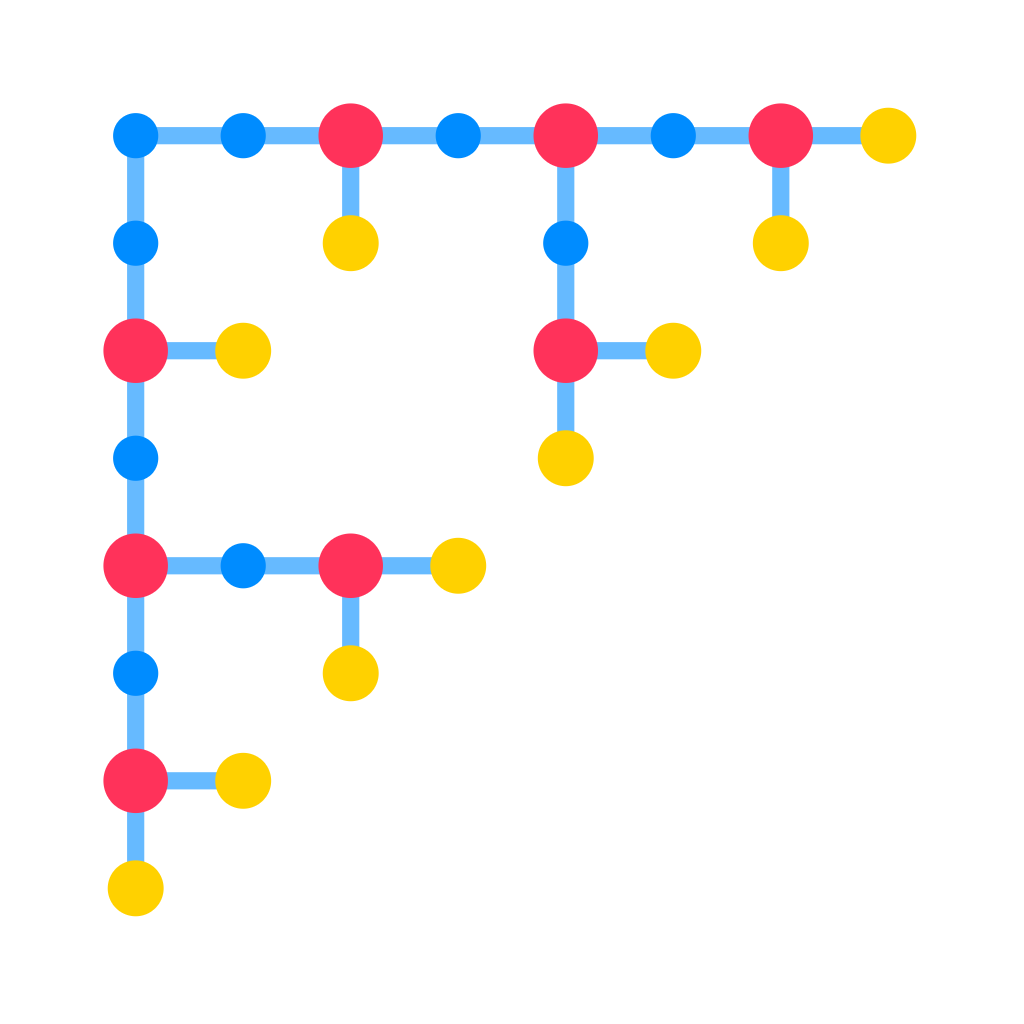
Dots joined by lines and nothing else; count the lines at a dot for its degree, write the joins in a table of ones, and a design's filled cells become a network.
After The Kronecker product
The Mobius function
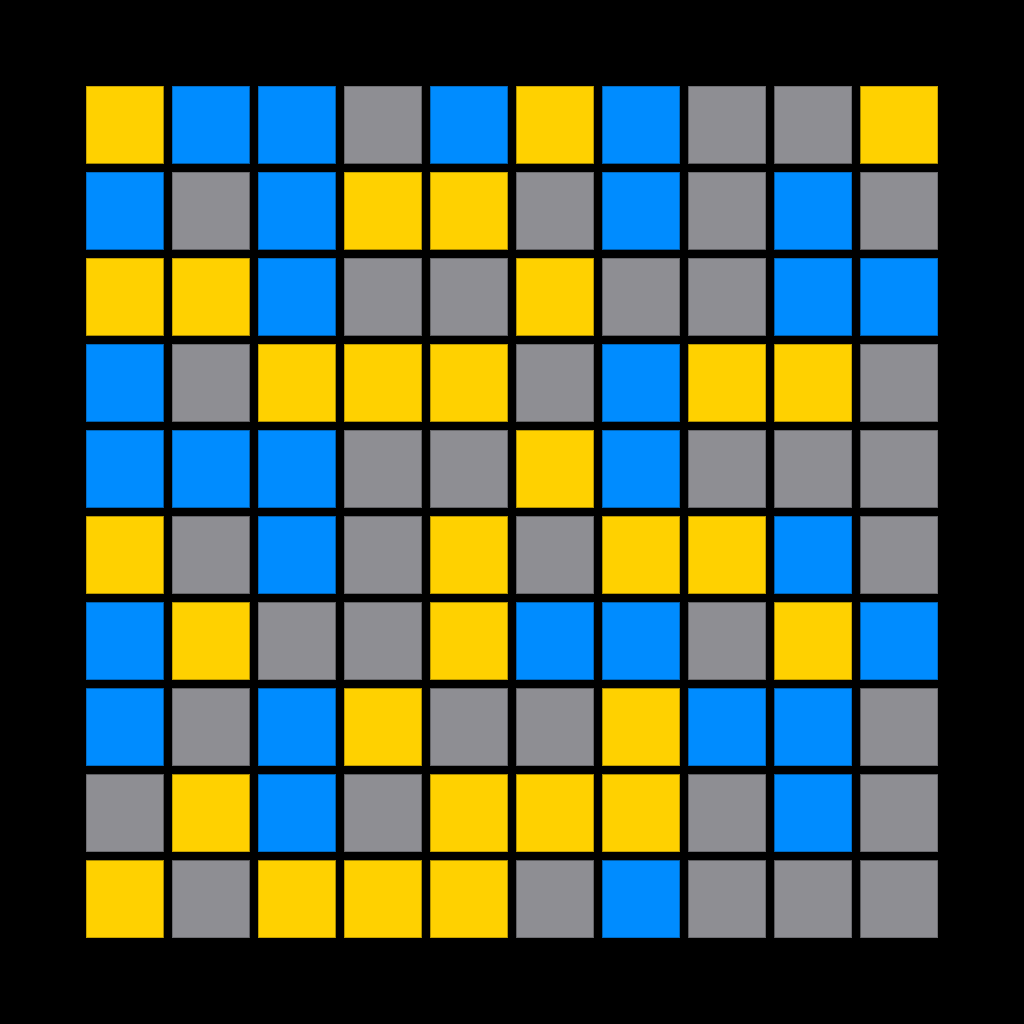
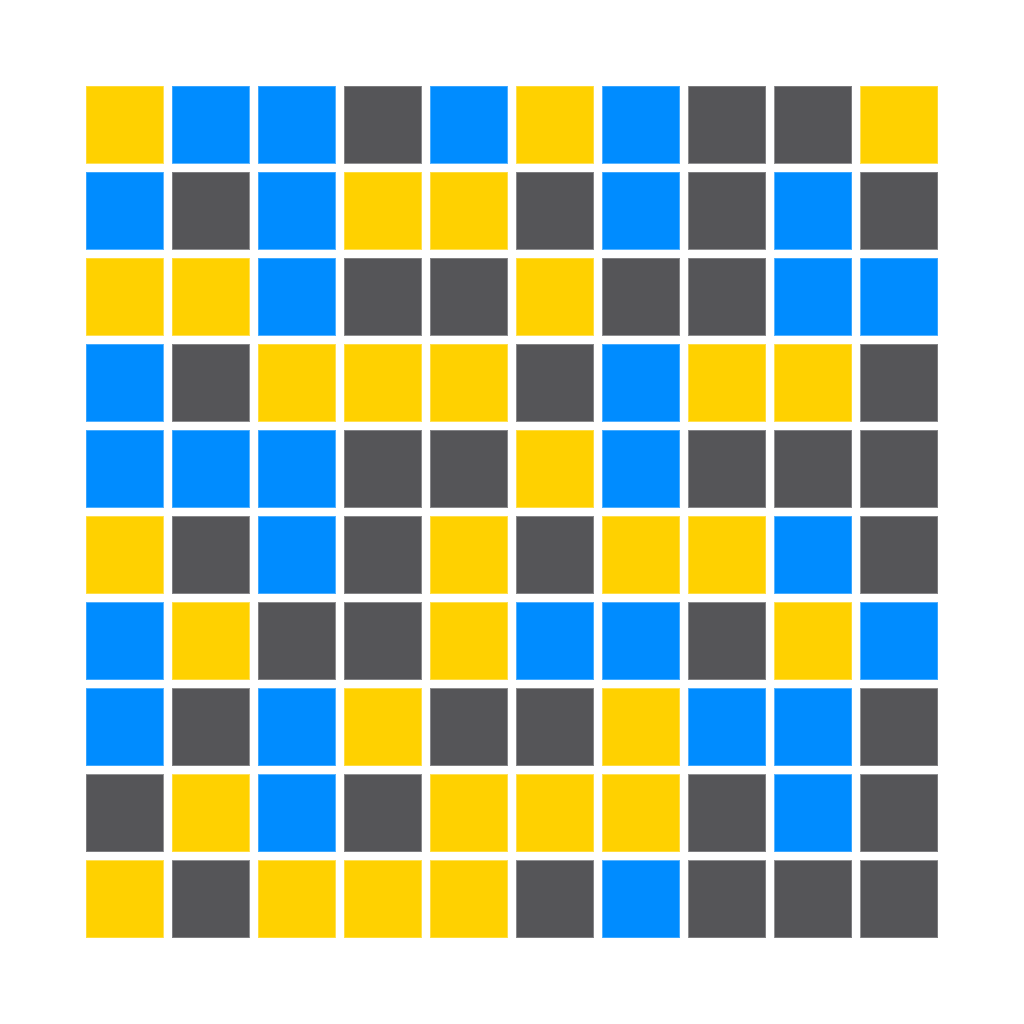
Mu of n is 0 when a square divides n, and otherwise plus or minus one depending on whether n has an even or an odd number of prime factors.
After Prime numbers
Pascal's triangle
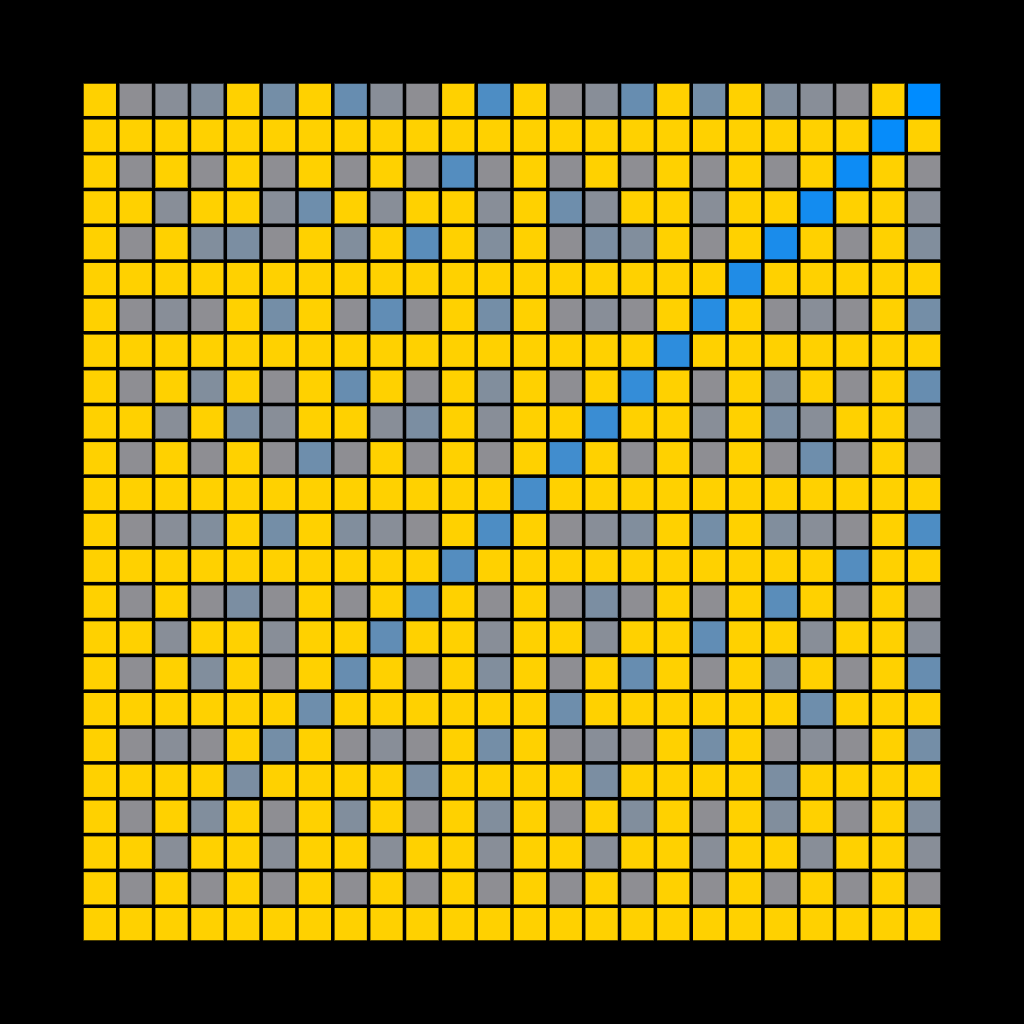
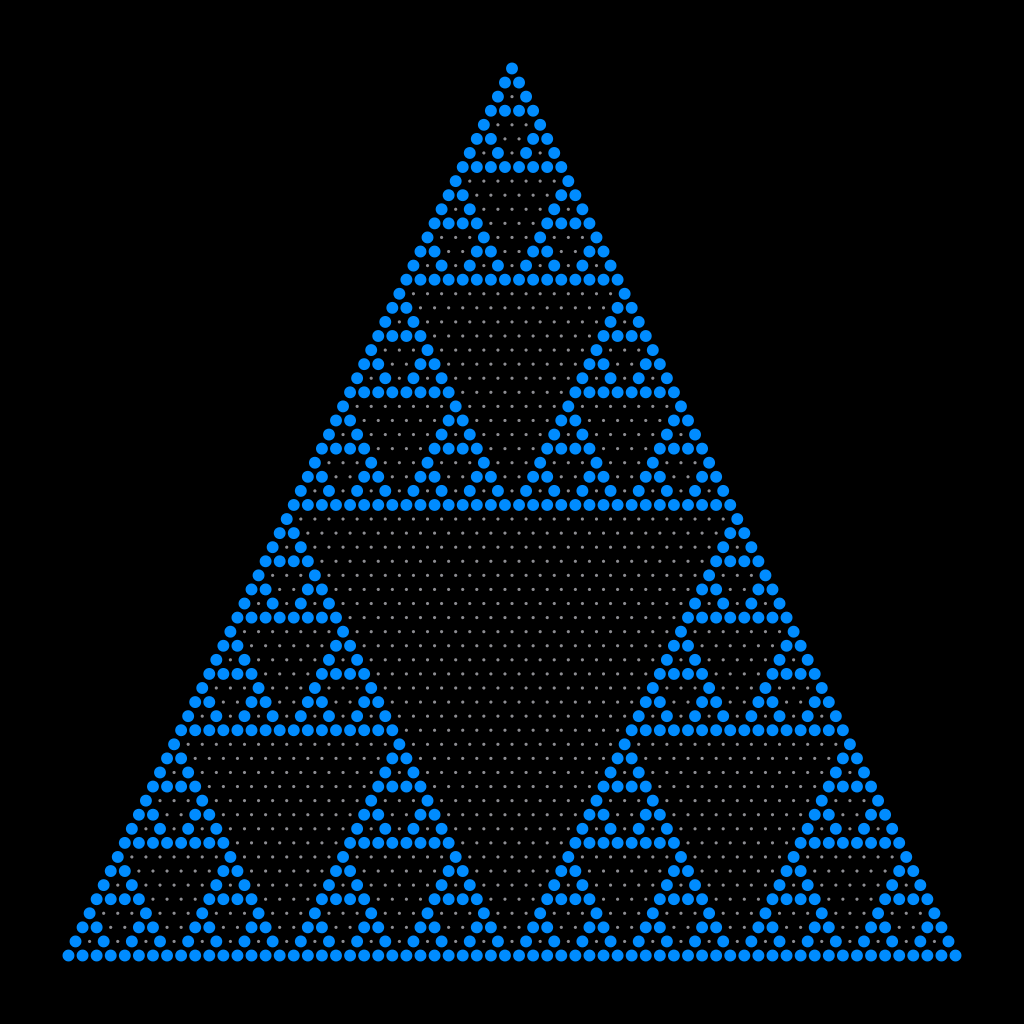
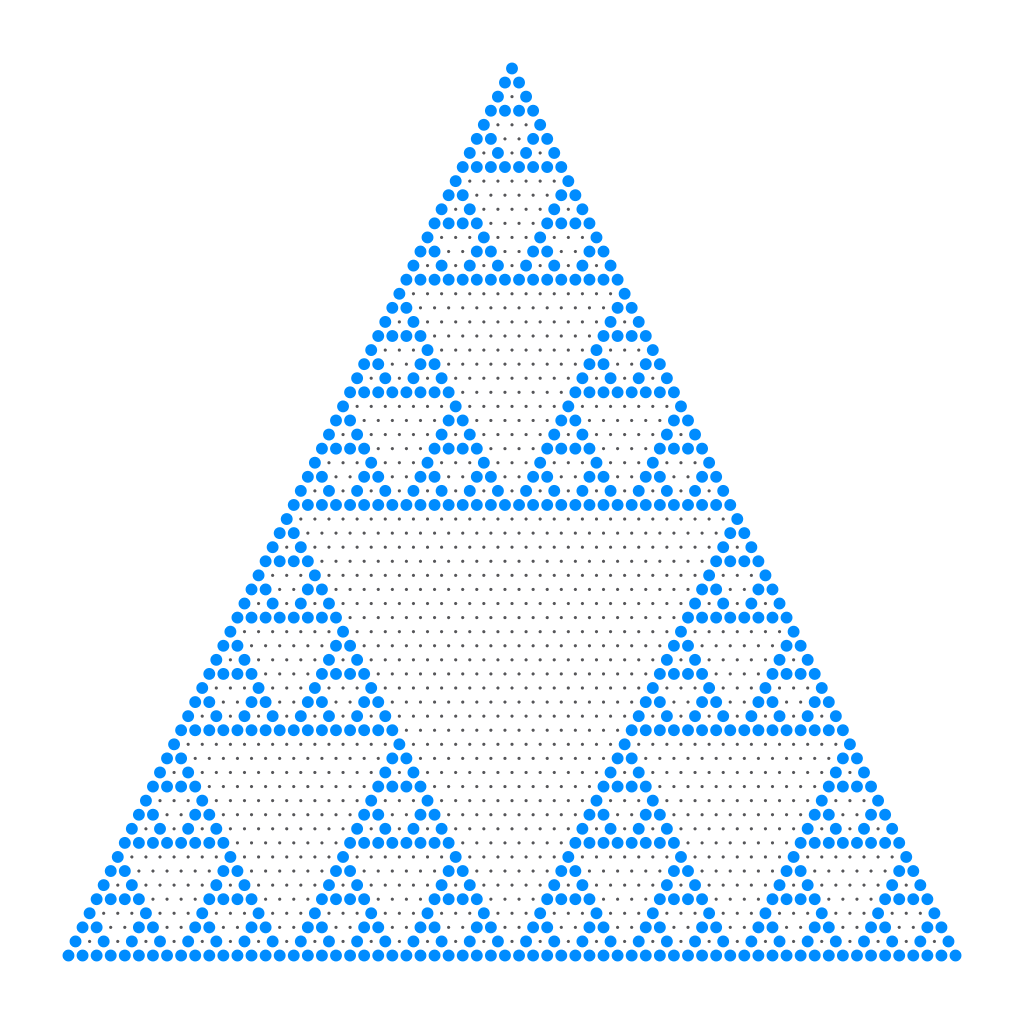
A triangle of numbers where every entry is the sum of the two directly above it, and colouring the odd ones draws a fractal.
After Parity
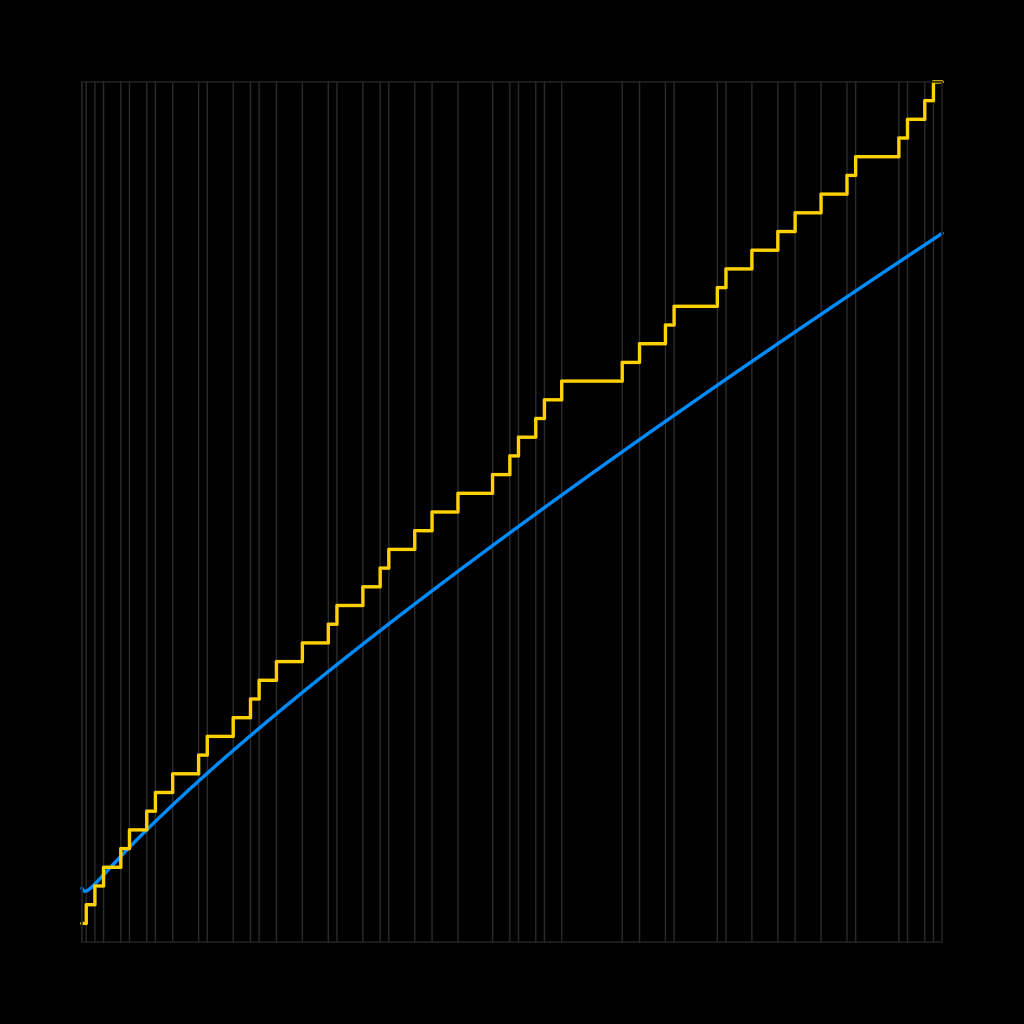
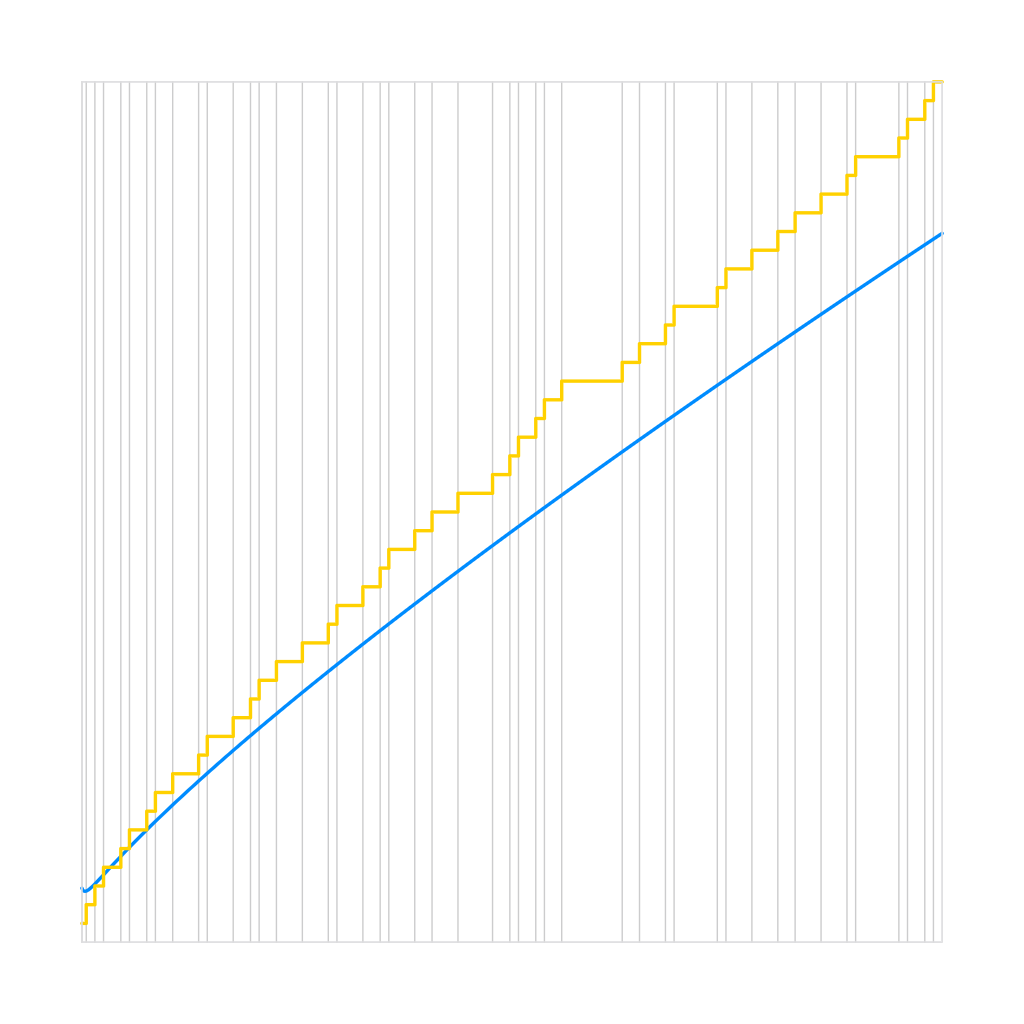
The prime counting function
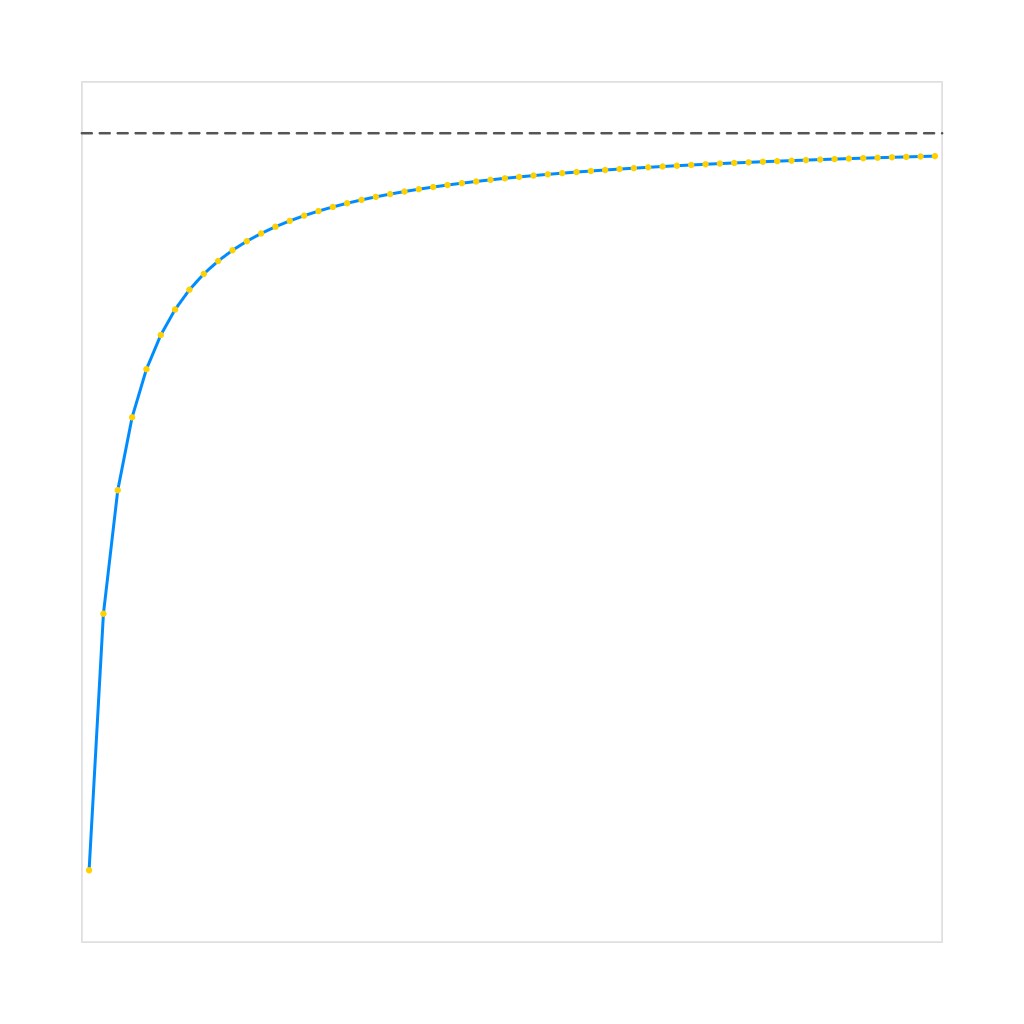
How many primes are there below a number? The answer is a staircase with one riser per prime, and two smooth curves that chase it without ever quite catching it.
After Prime numbers
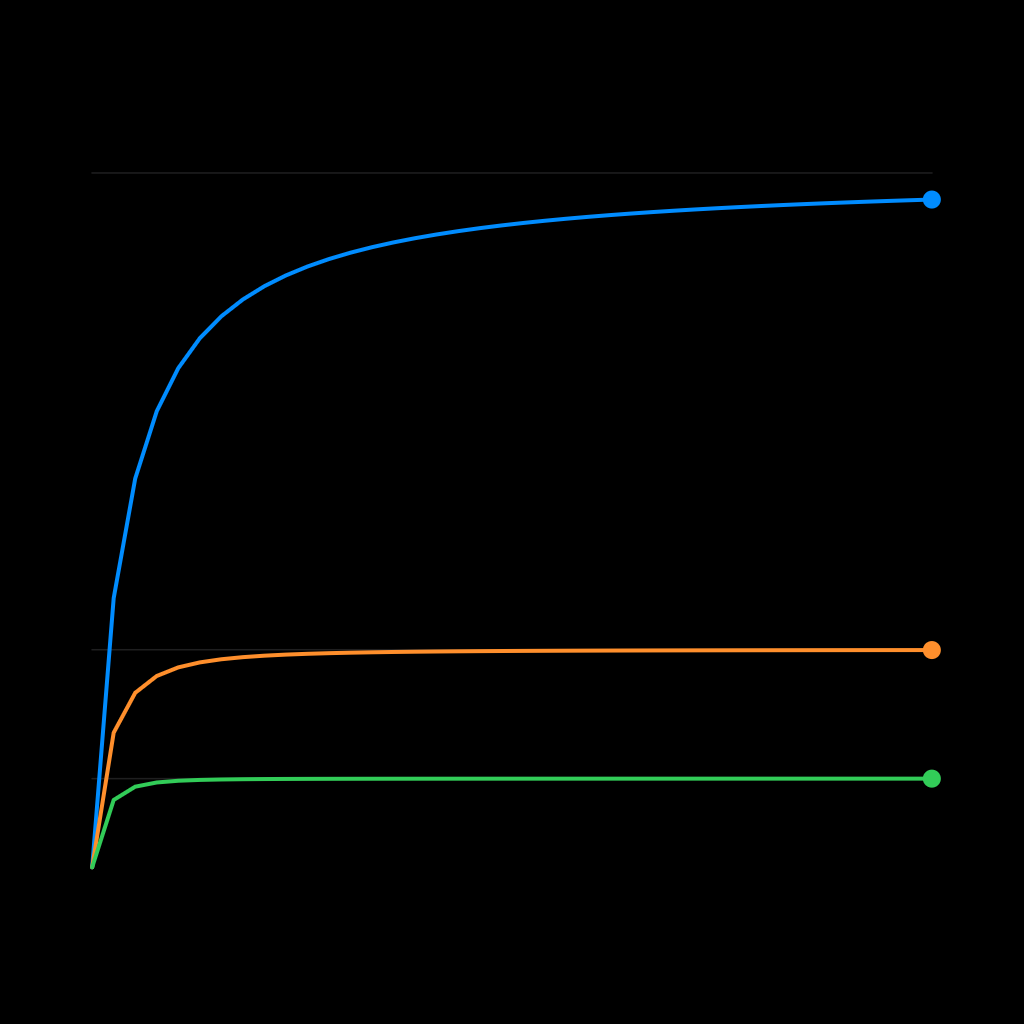
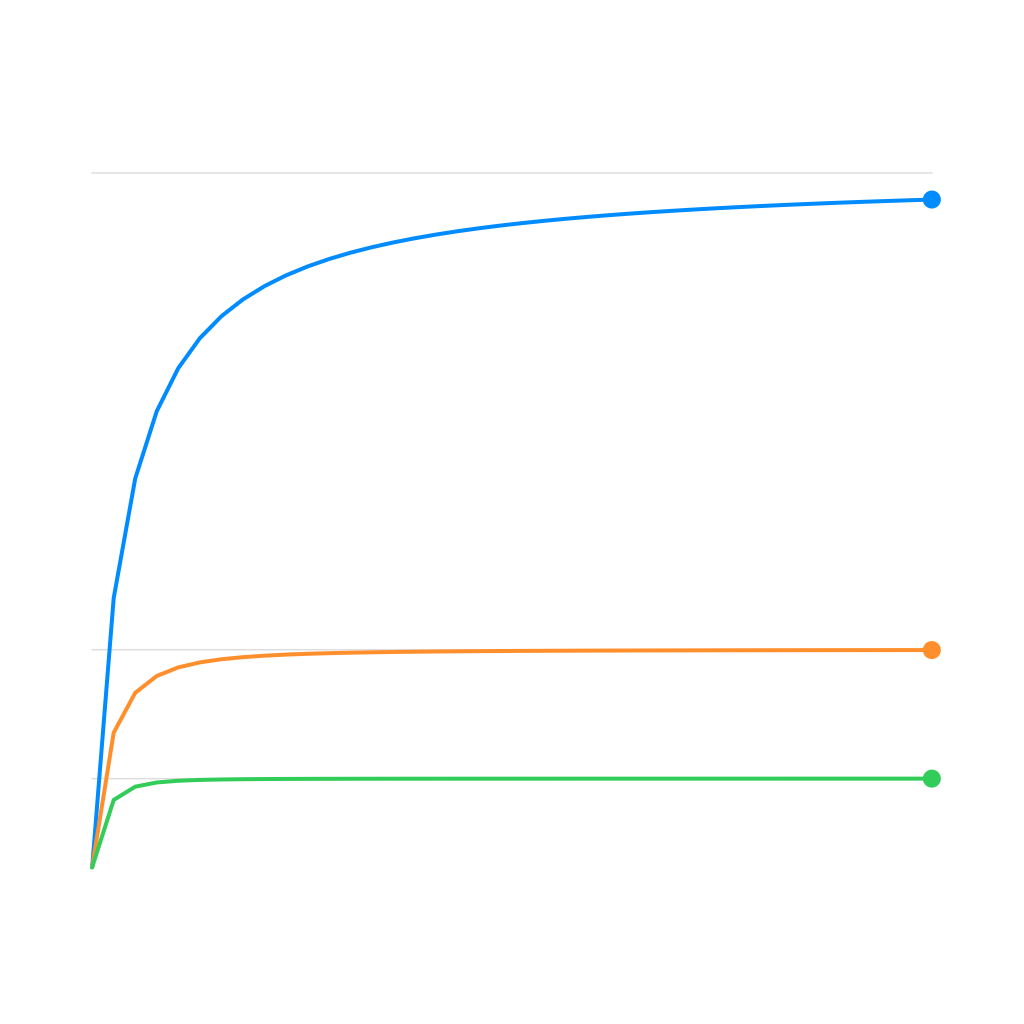
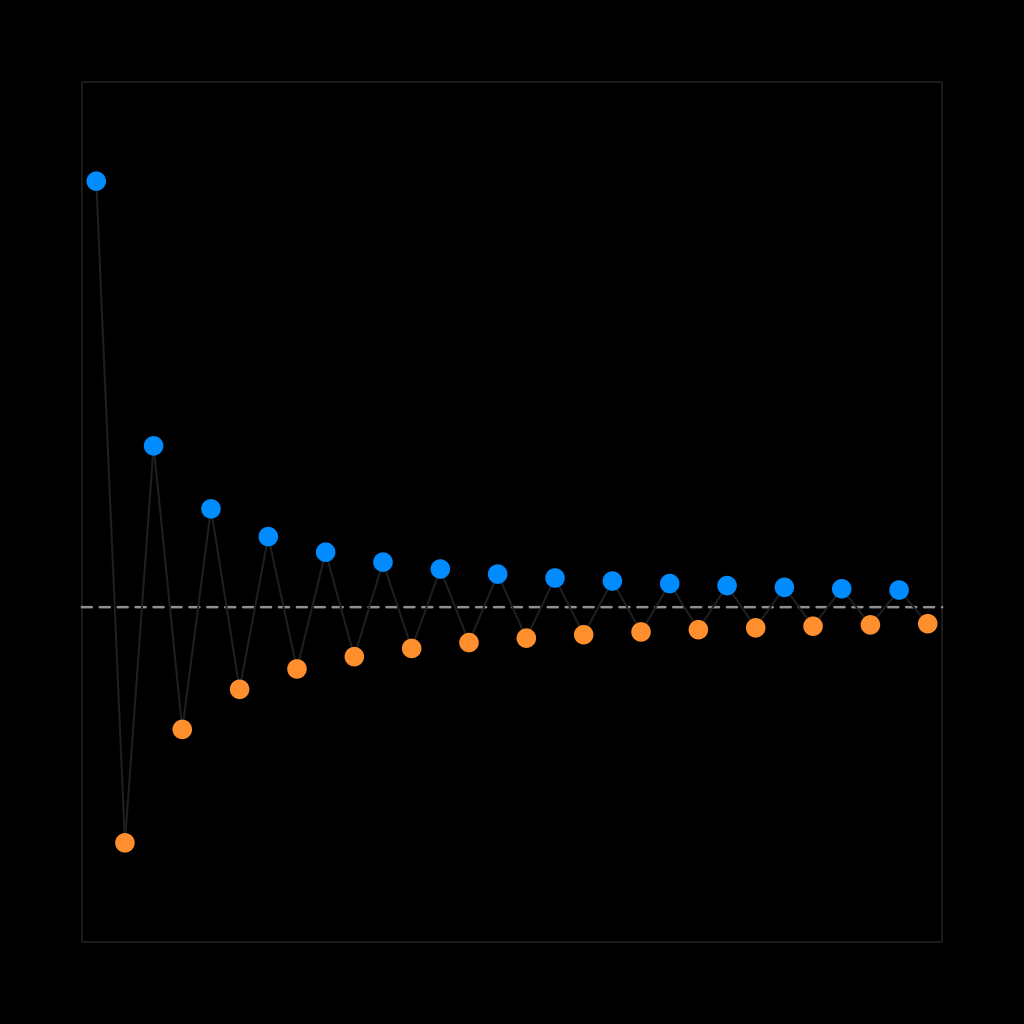
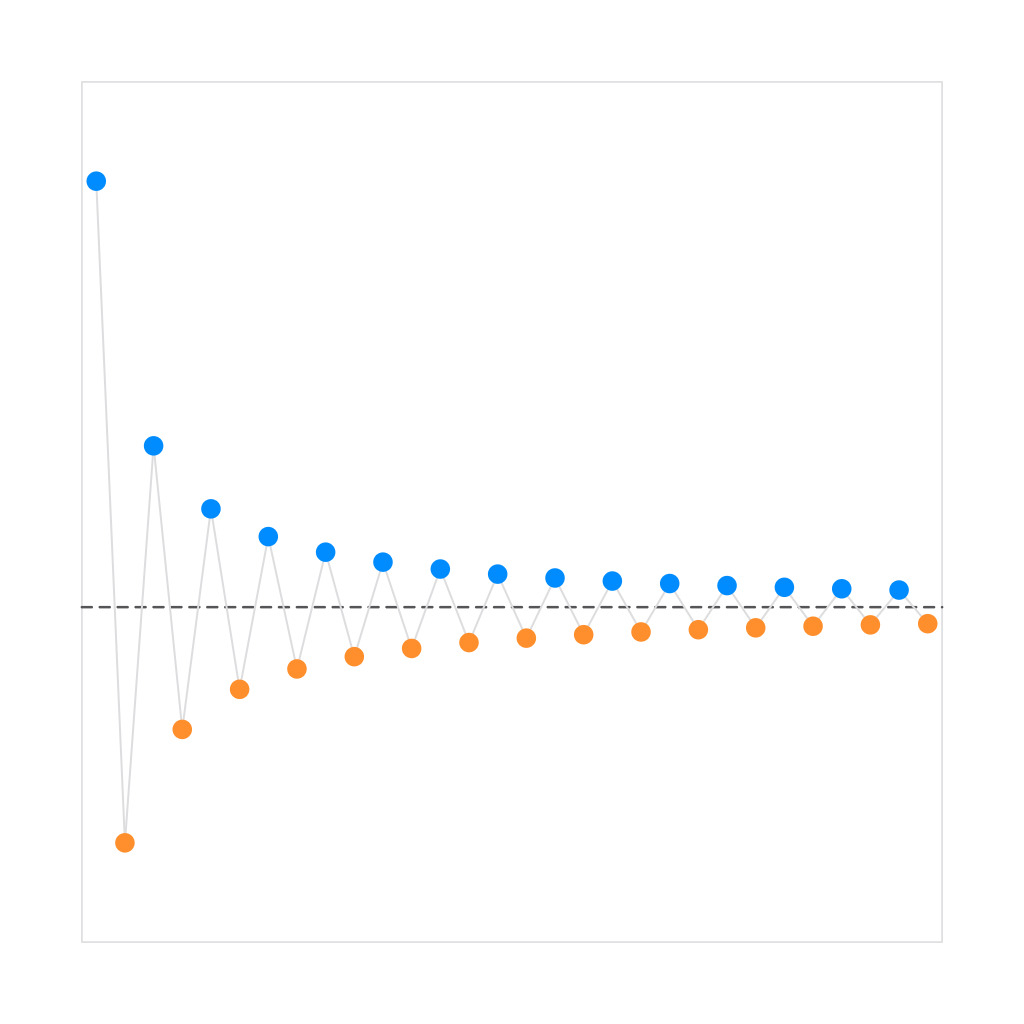
The Riemann zeta function
Add one over every whole number raised to the power s; the answer is zeta of s, it equals pi squared over six at s equal to 2, and it can be rewritten as a product over the primes.
After Prime numbers
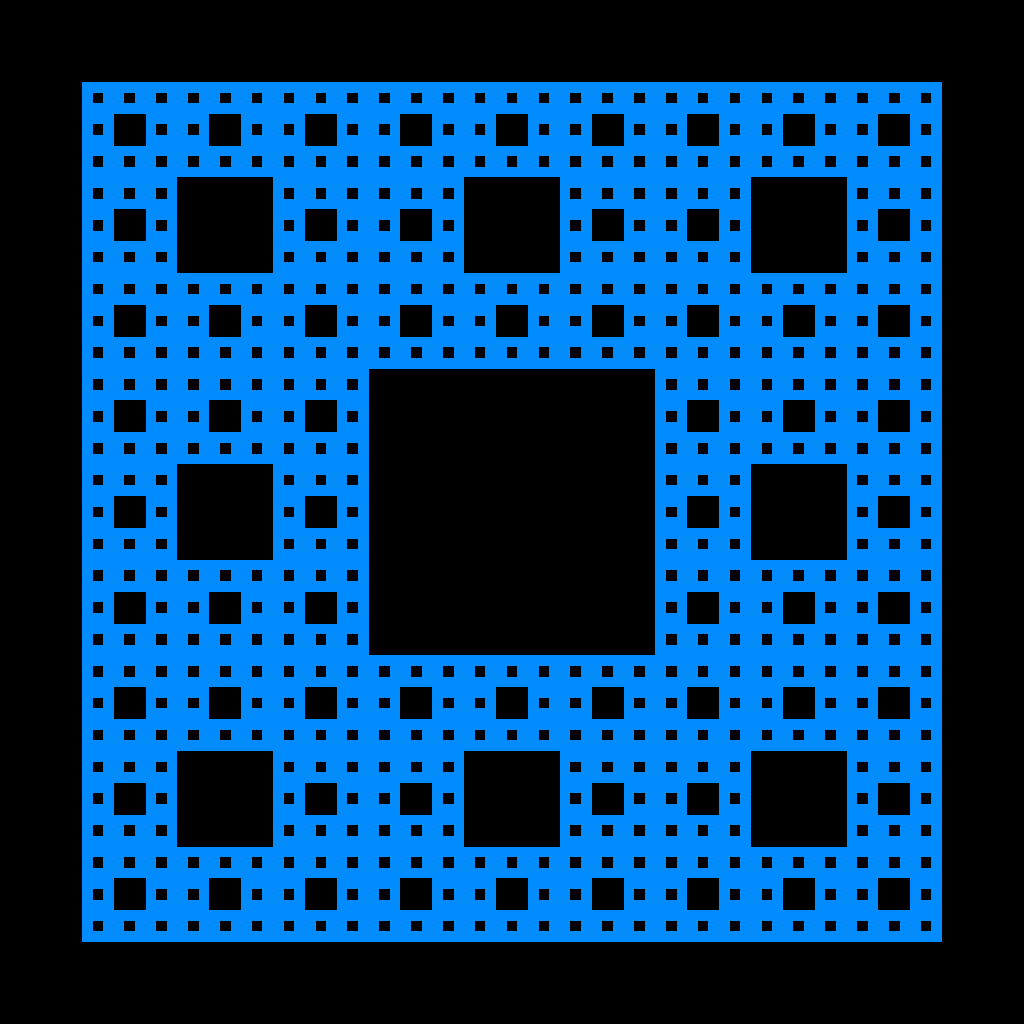
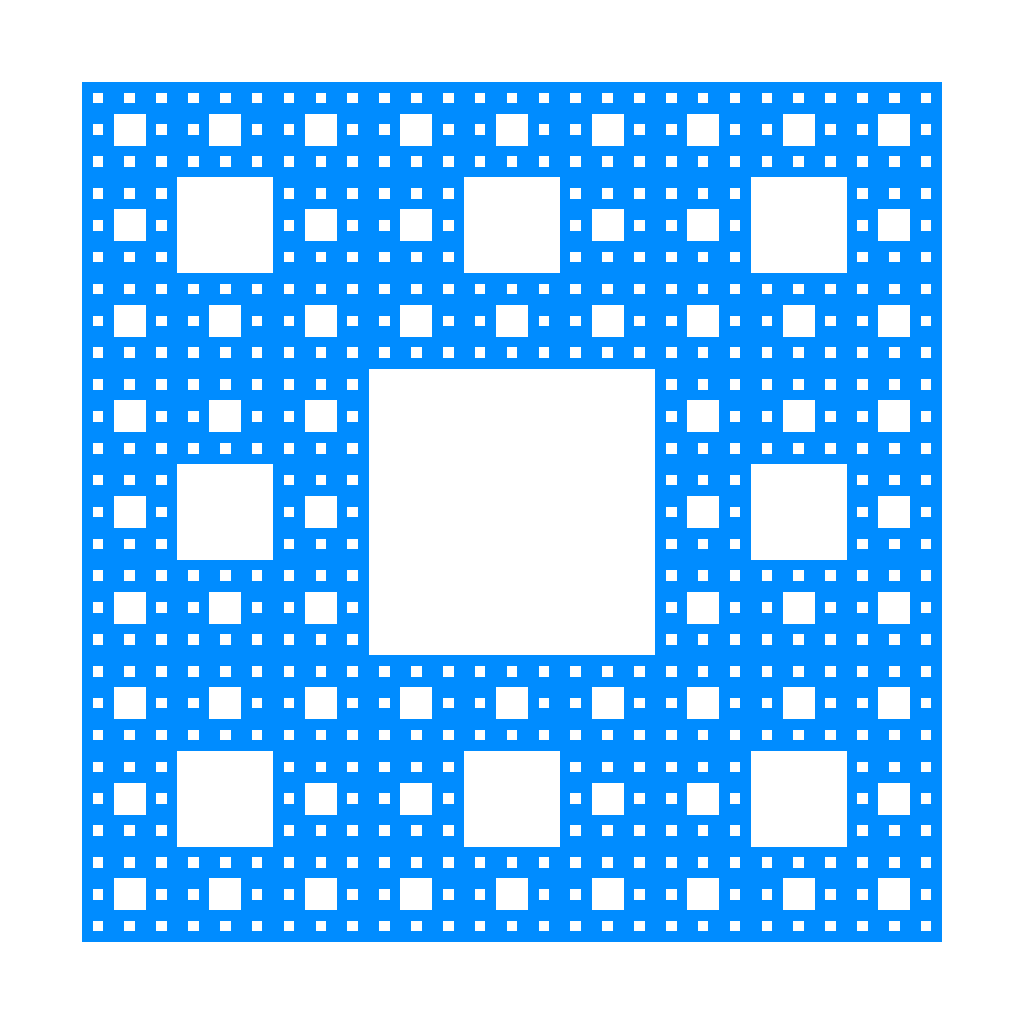
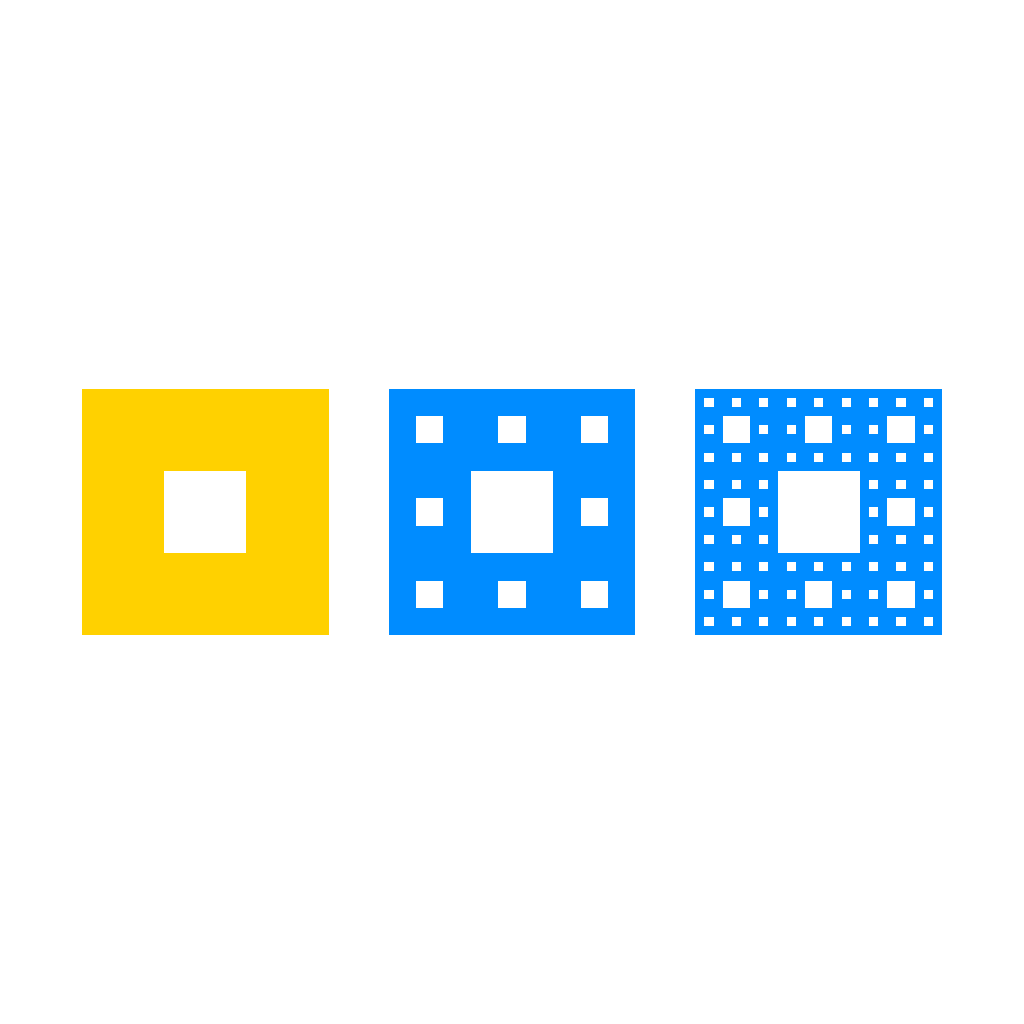
The Sierpinski carpet
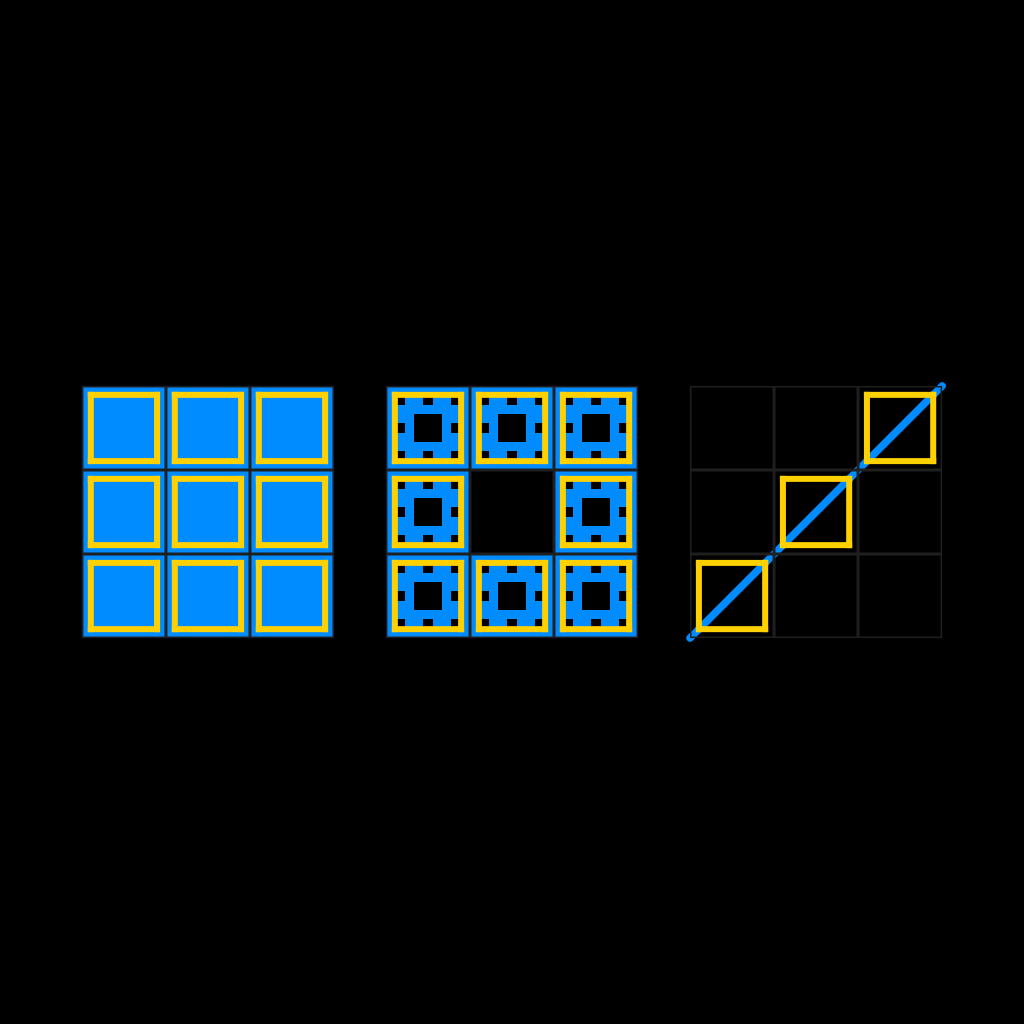
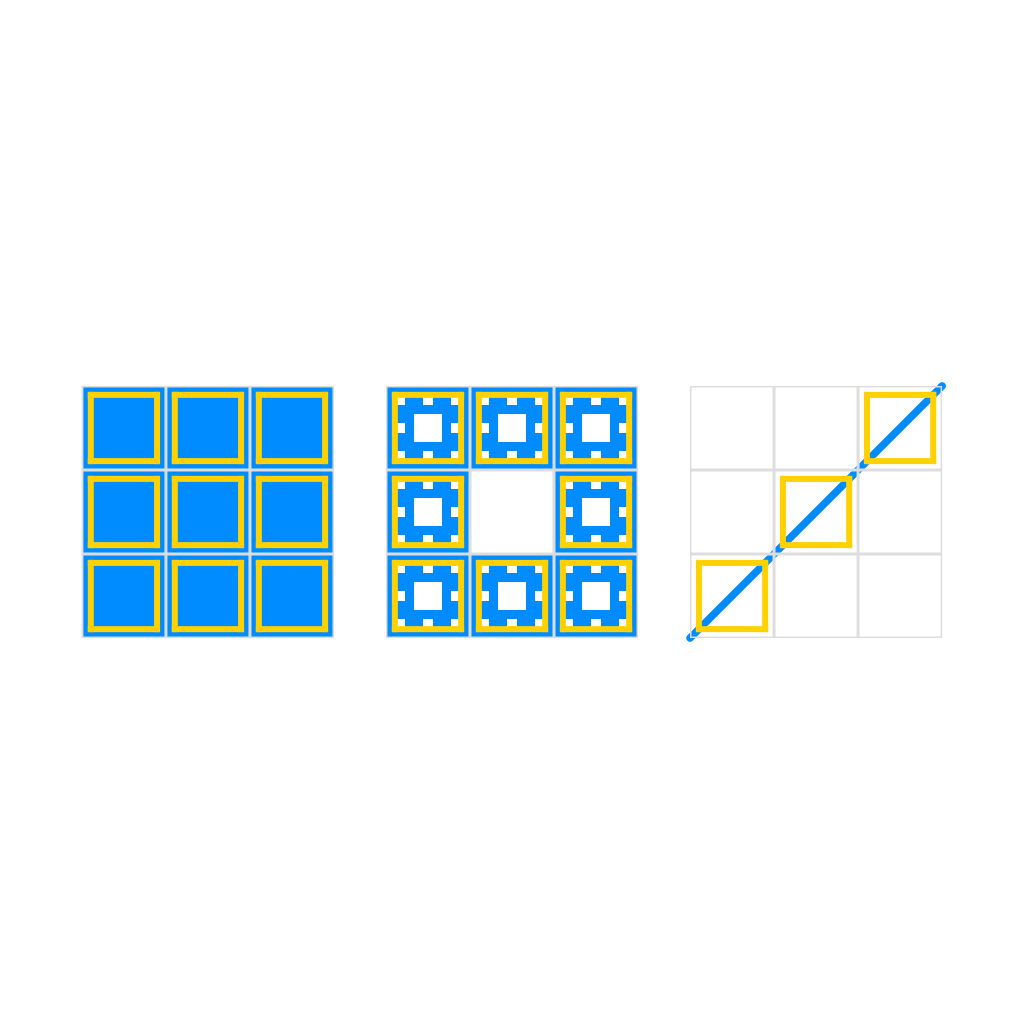
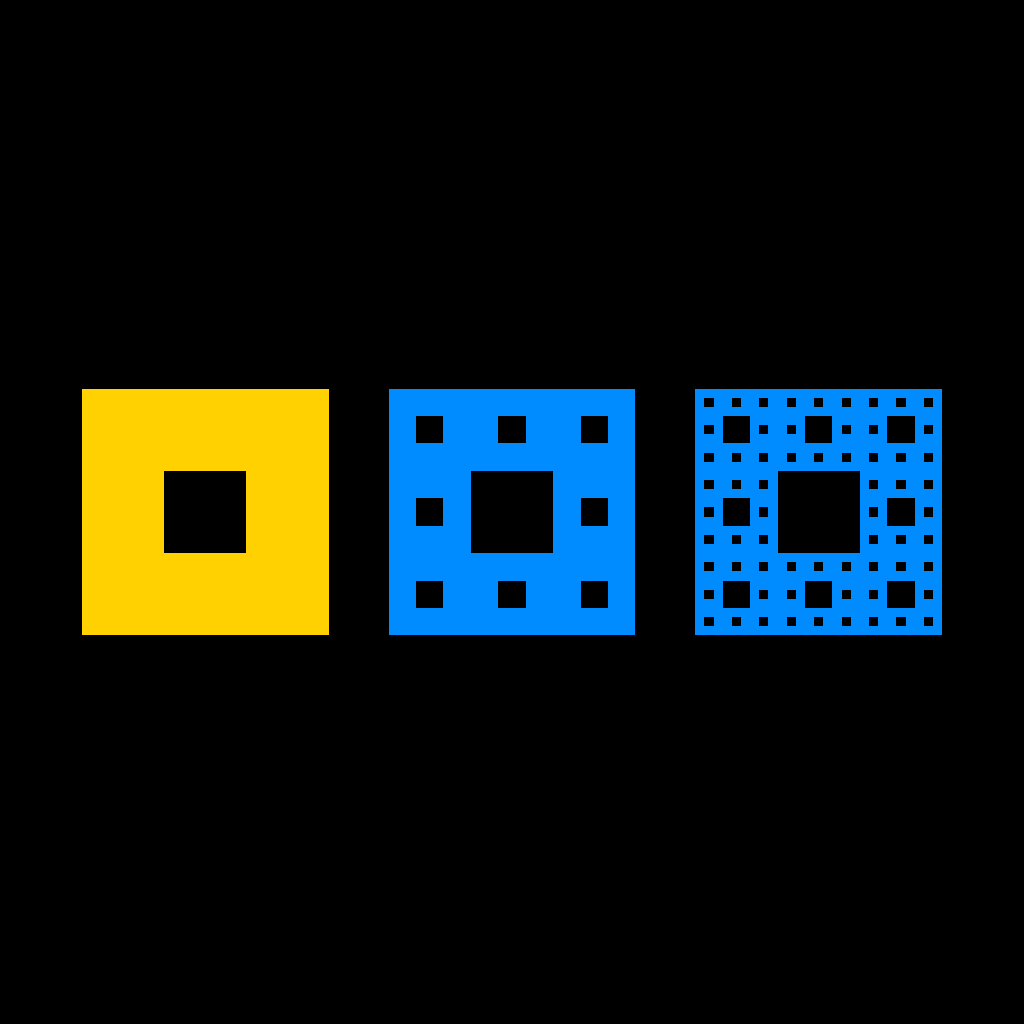
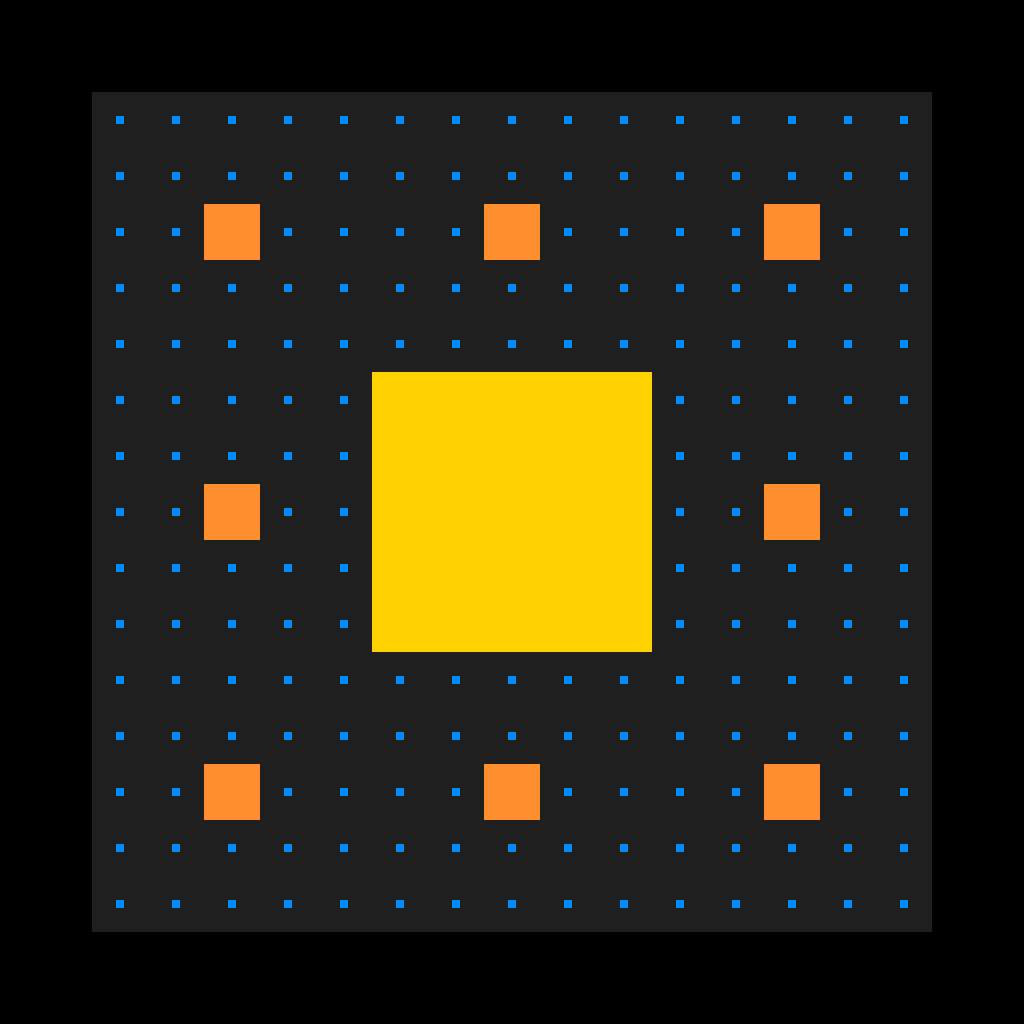
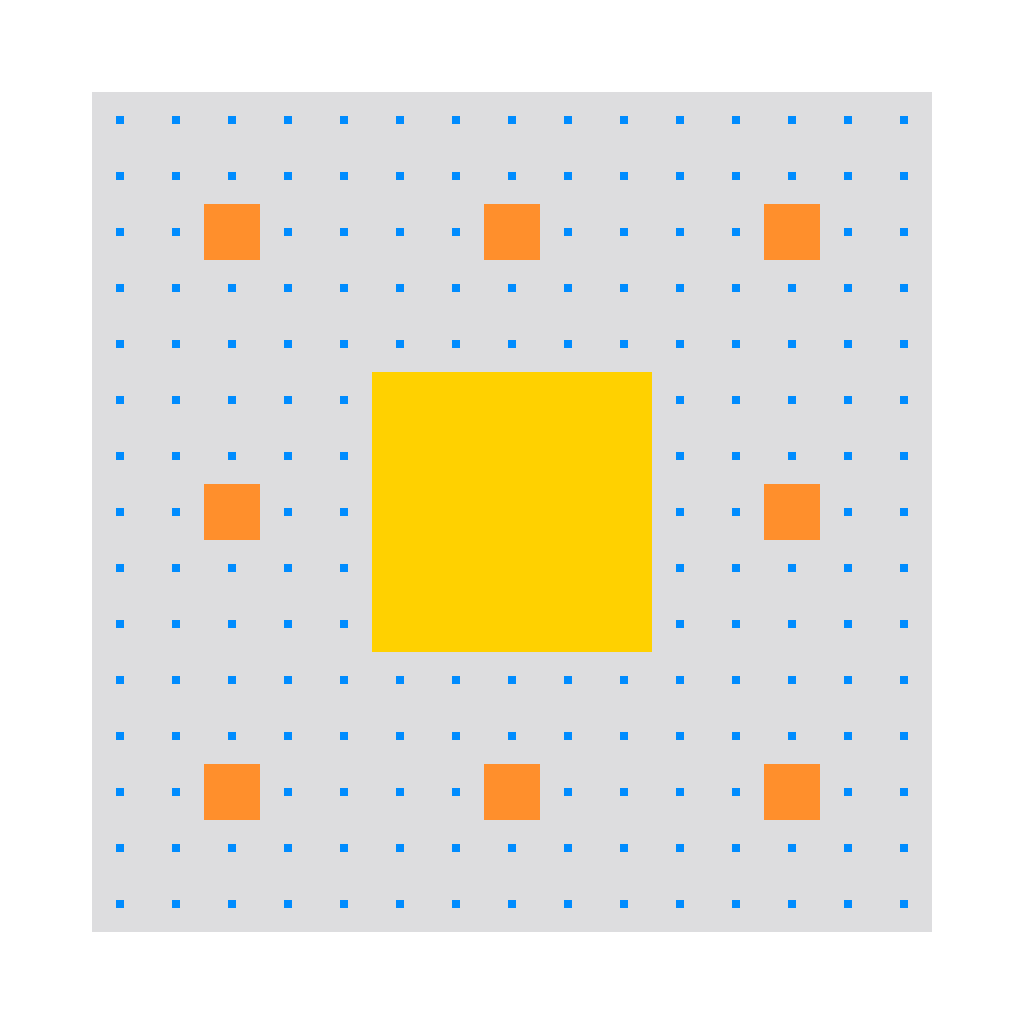
Cut a square into nine, throw the middle one away, then do the same to the eight that are left, and keep going for ever.
After The Kronecker product
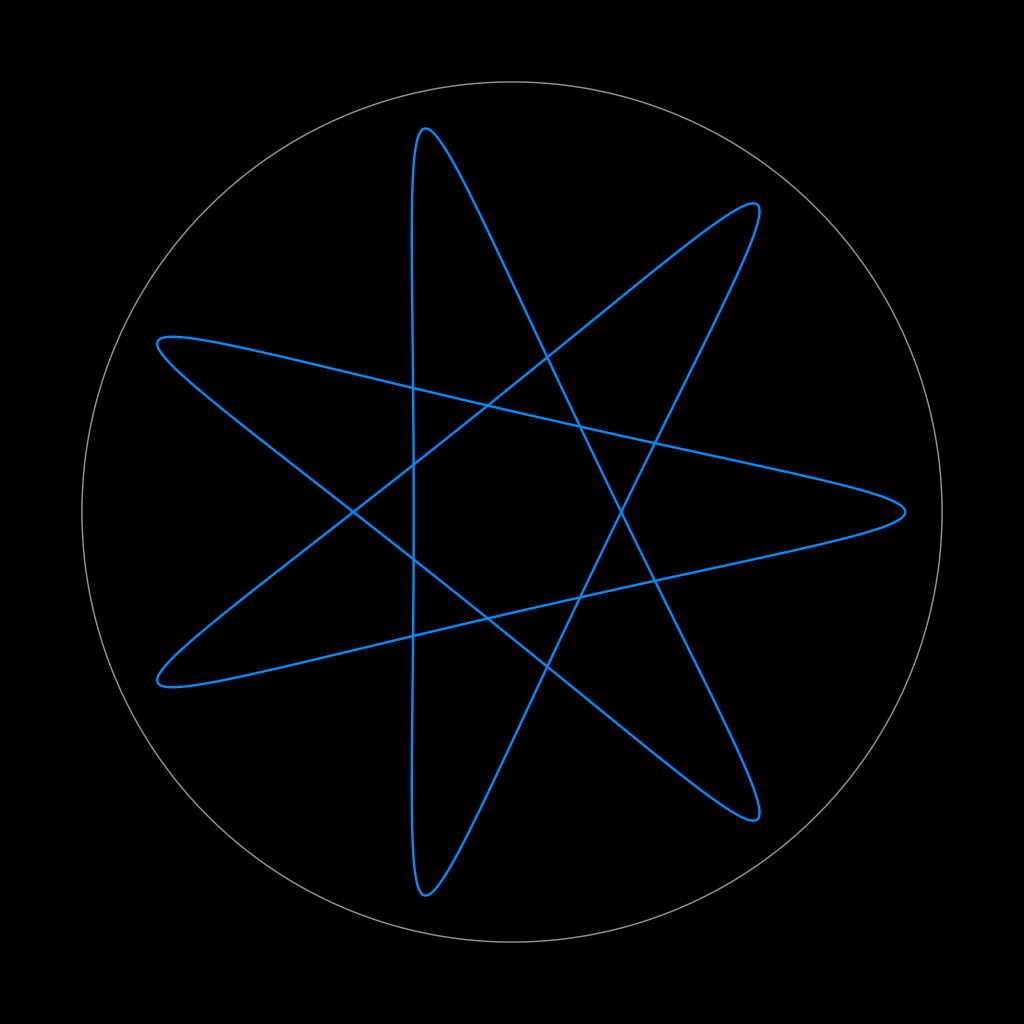
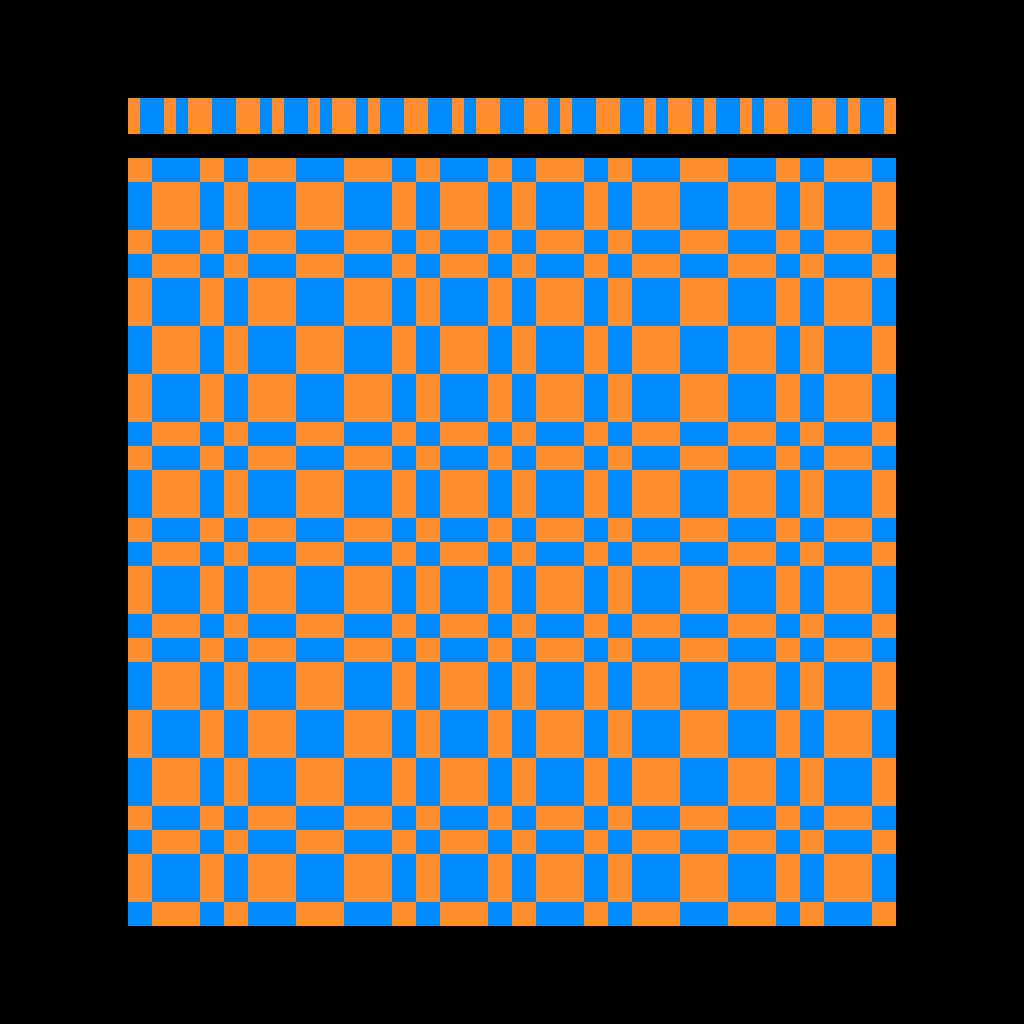
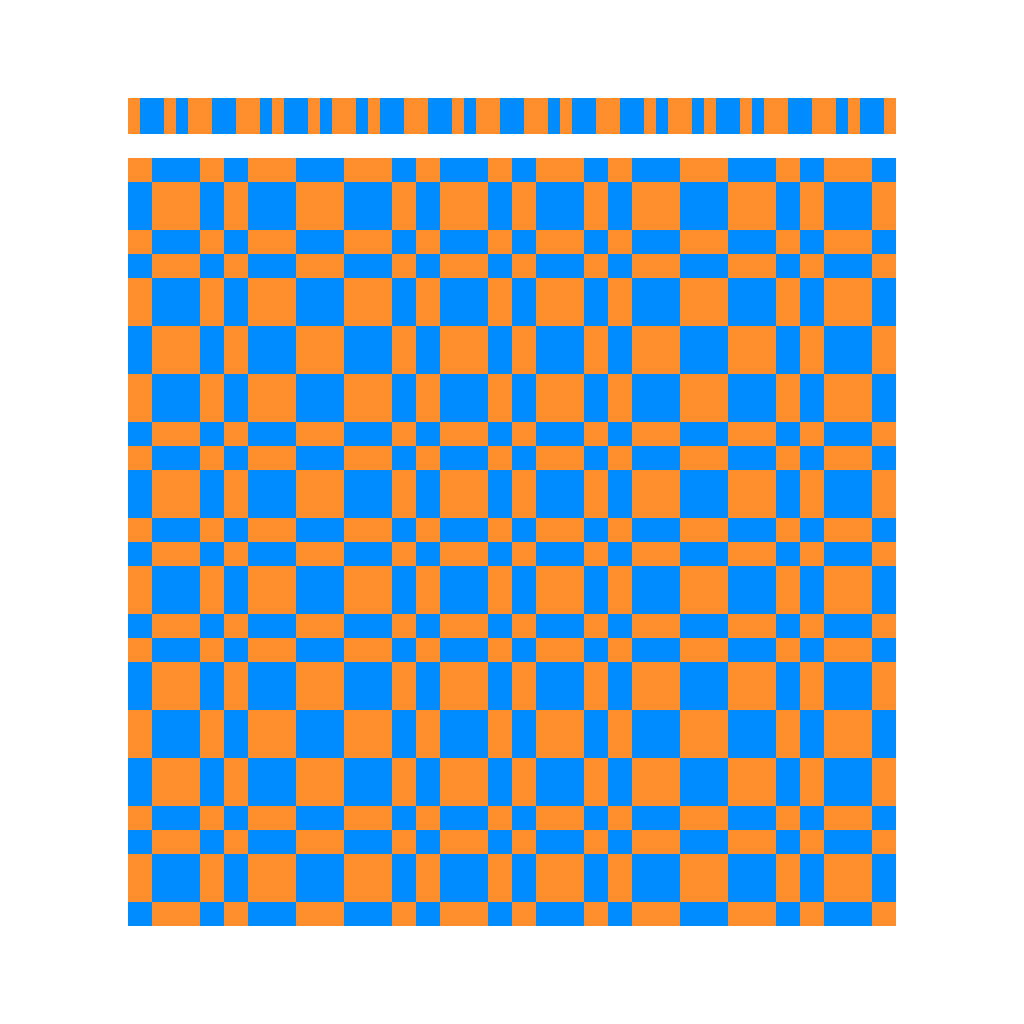
The Thue-Morse sequence
A string of noughts and ones built by writing a block and then its opposite for ever, which is also the parity of the ones in each place number written in binary.
After Parity
Two steps in

The Eisenstein integers
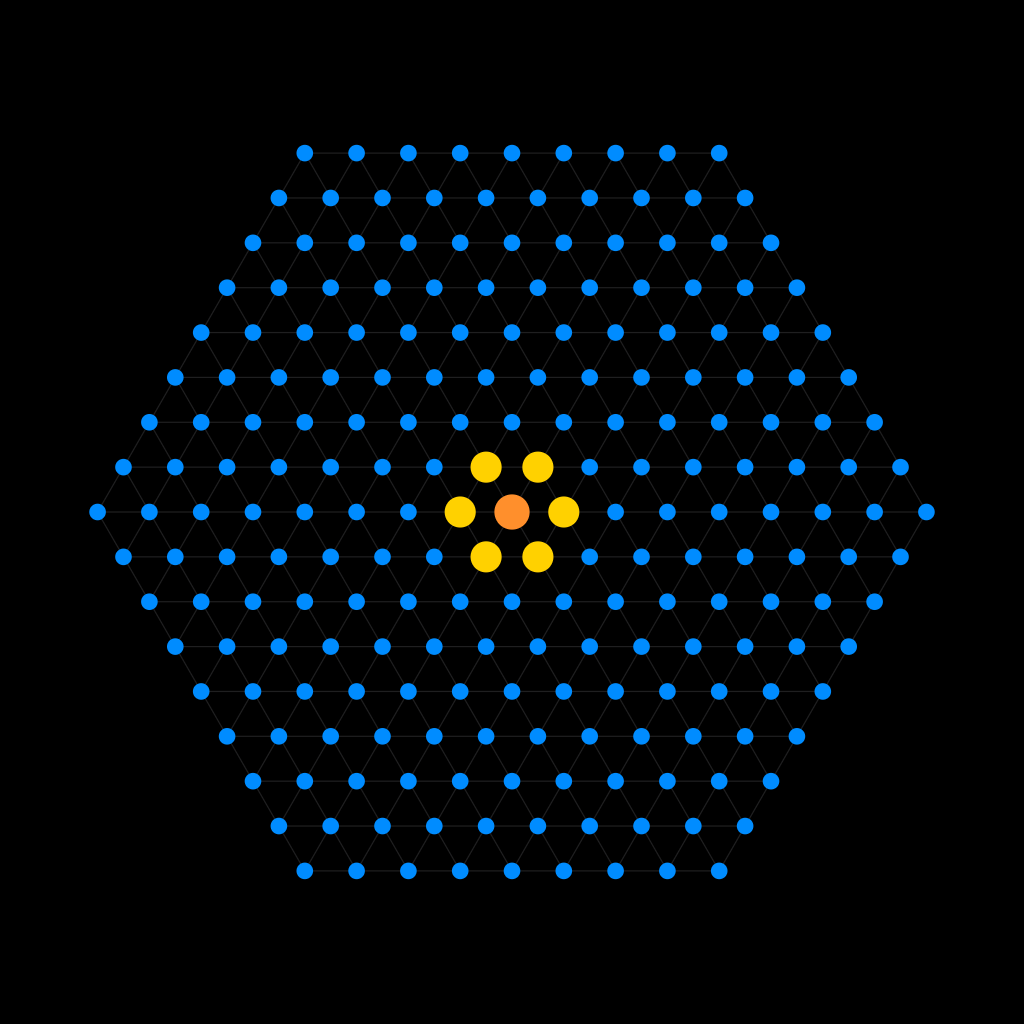
Numbers built from a cube root of one, drawn as a hexagonal lattice, with six units and a size rule that turns the honeycomb into a number system.
After The Gaussian integers
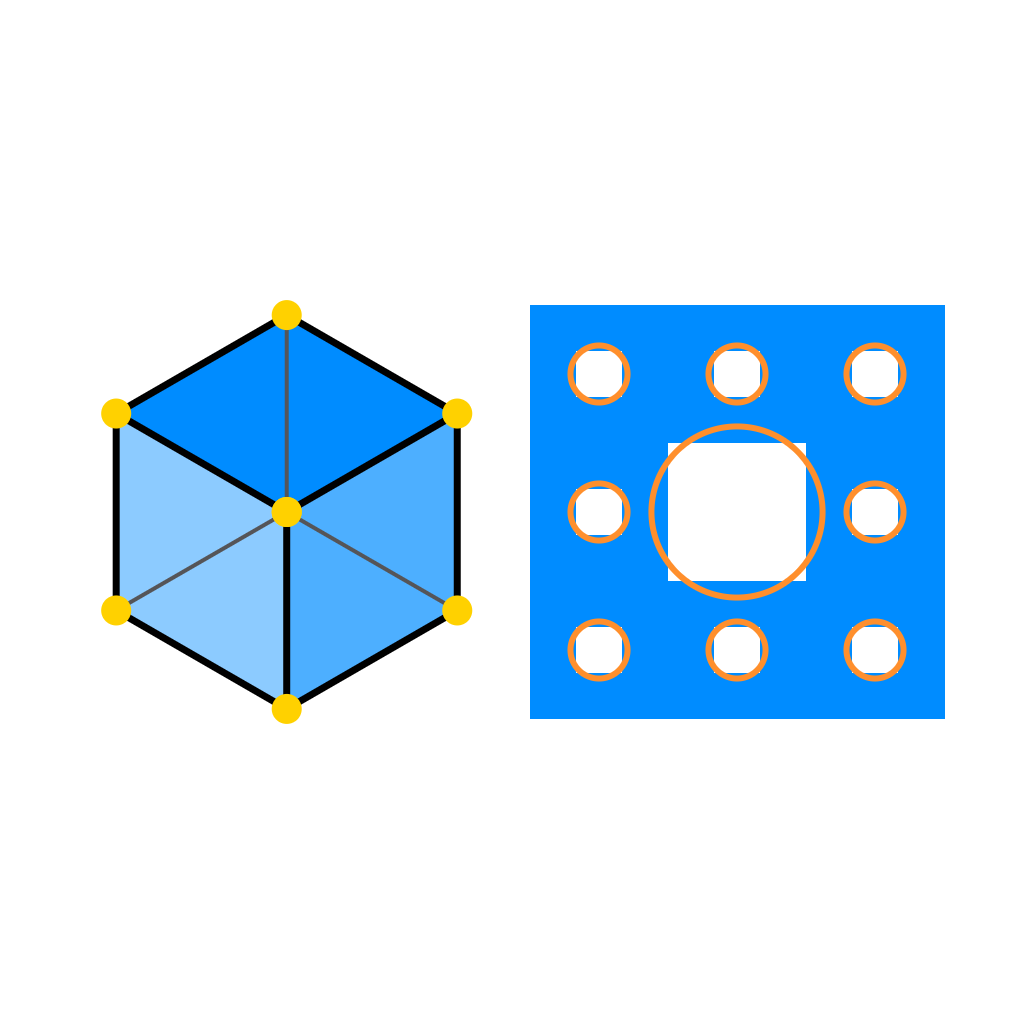
The Euler characteristic
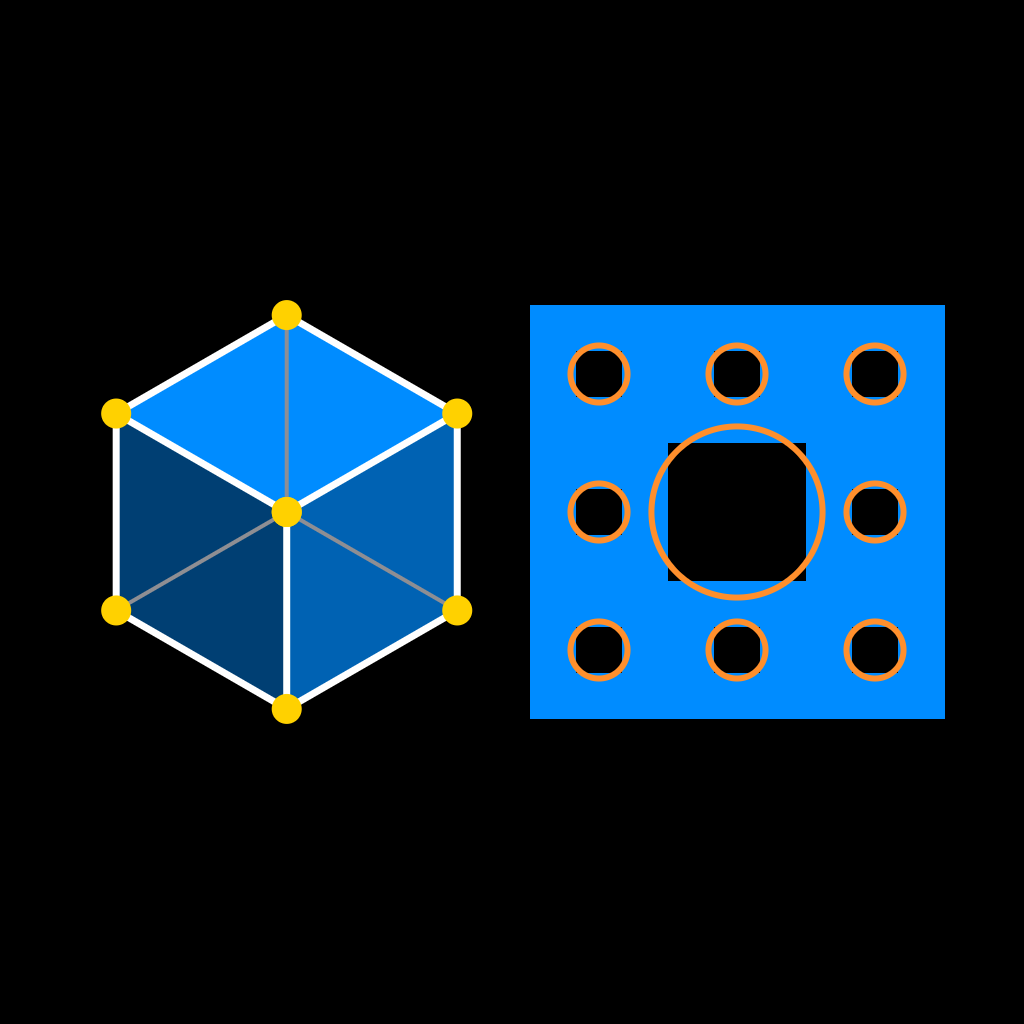
Count the corners, subtract the edges, add the faces; the answer is 2 for anything shaped like a ball, and bending the shape never changes it.
After The Sierpinski carpet
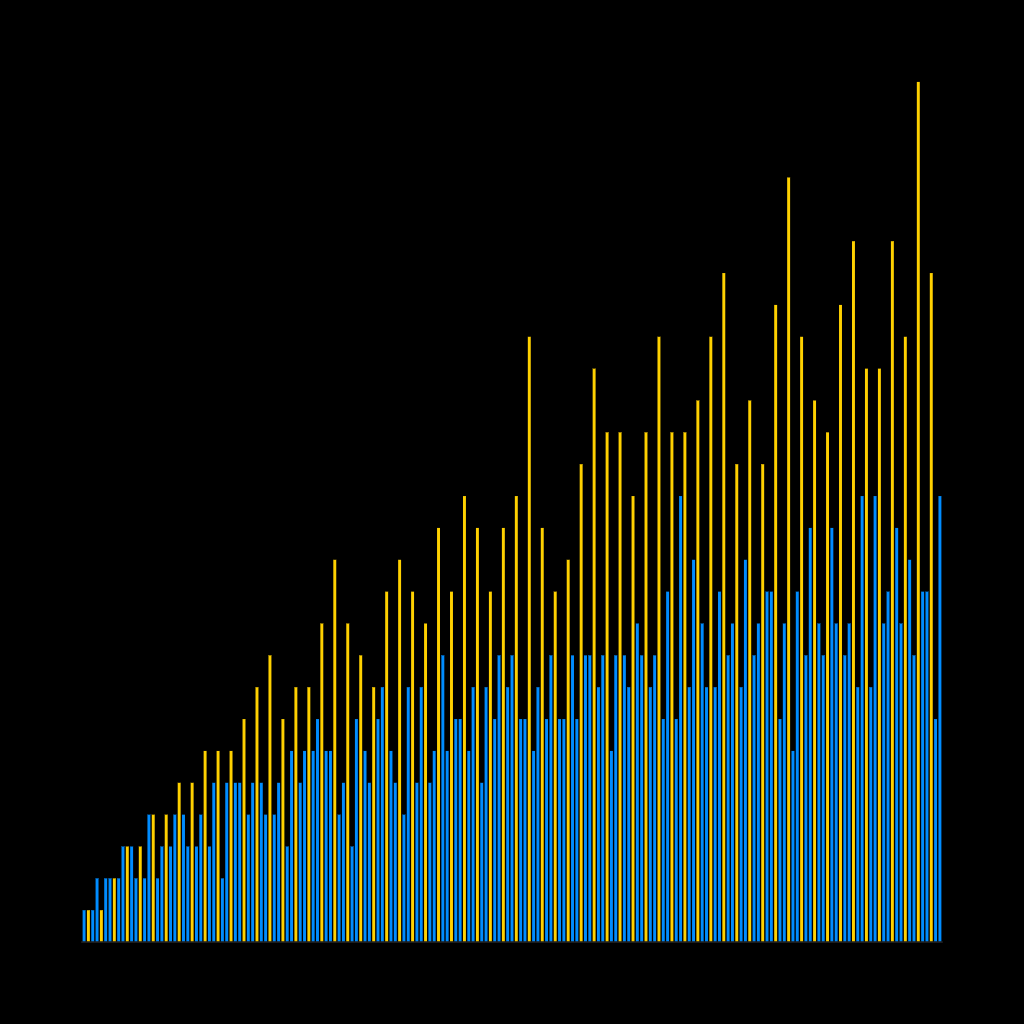
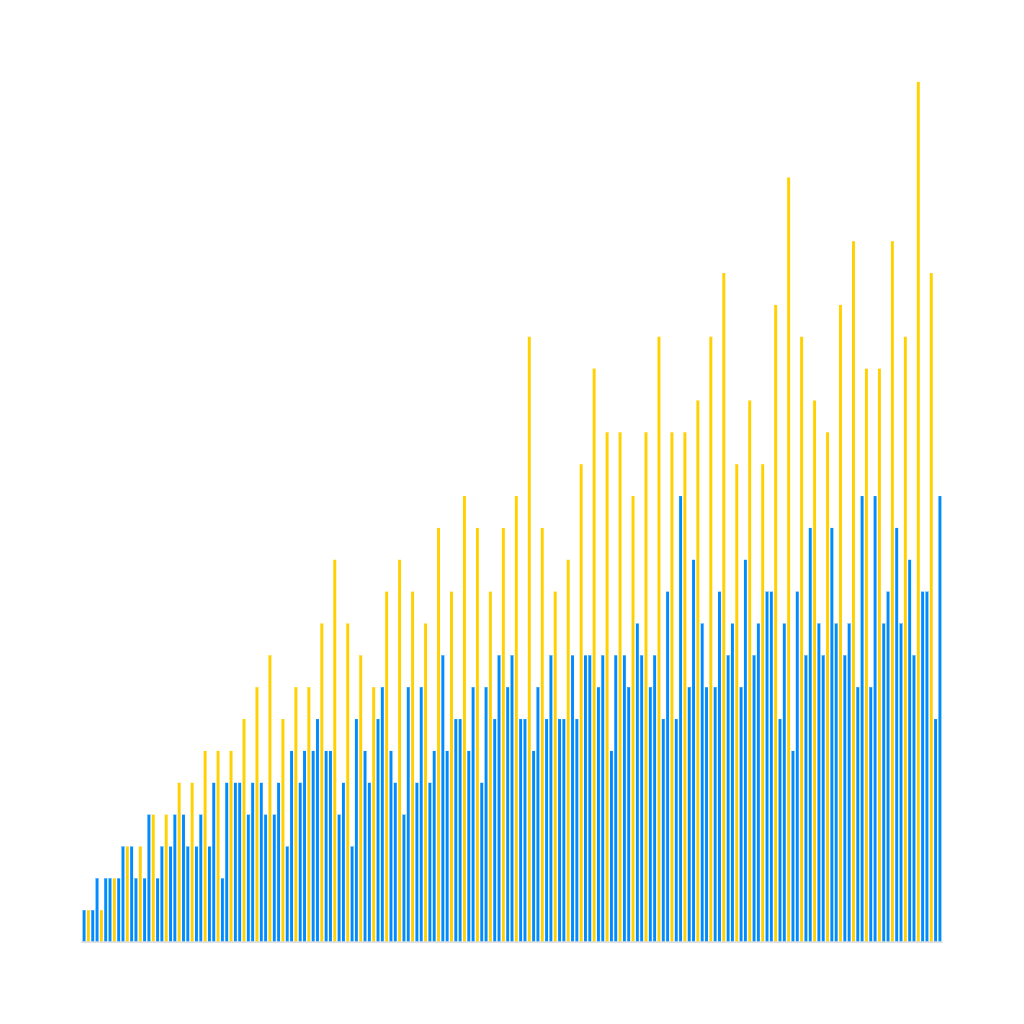
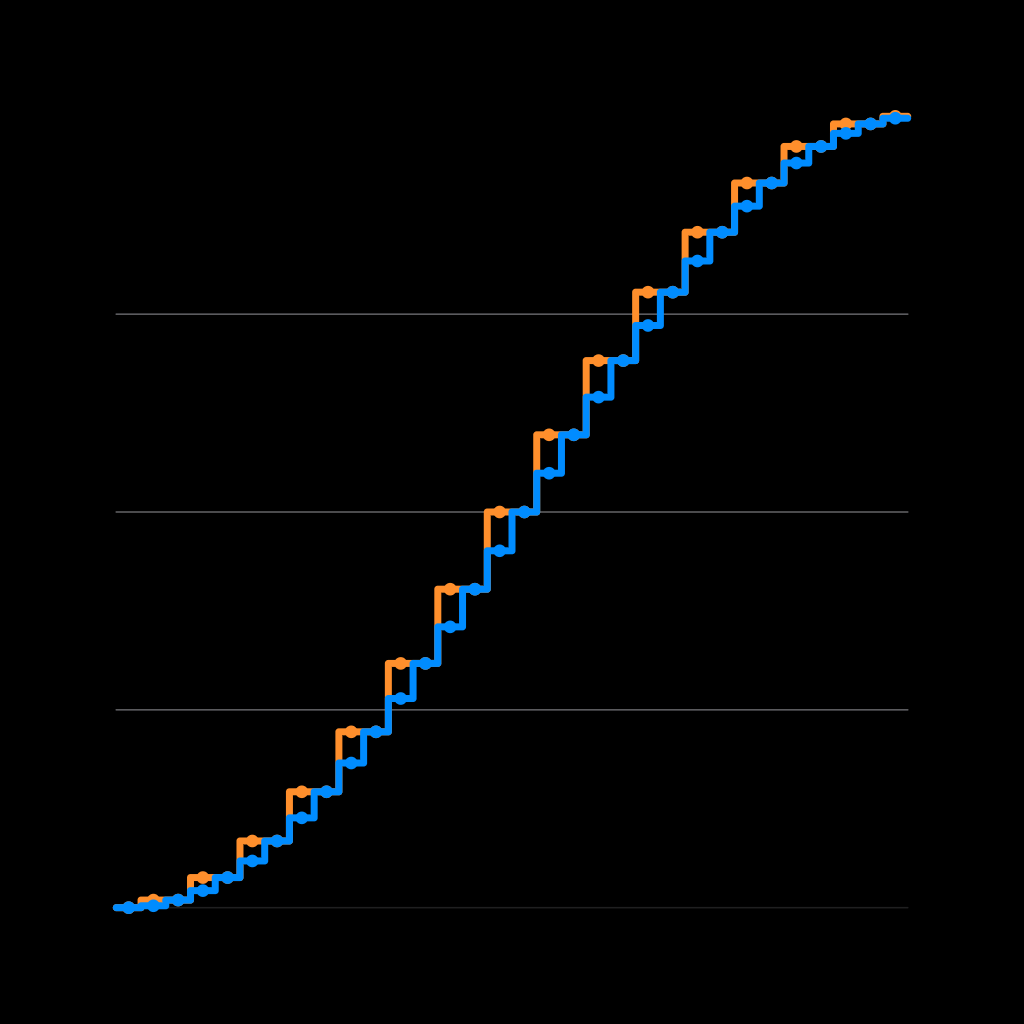
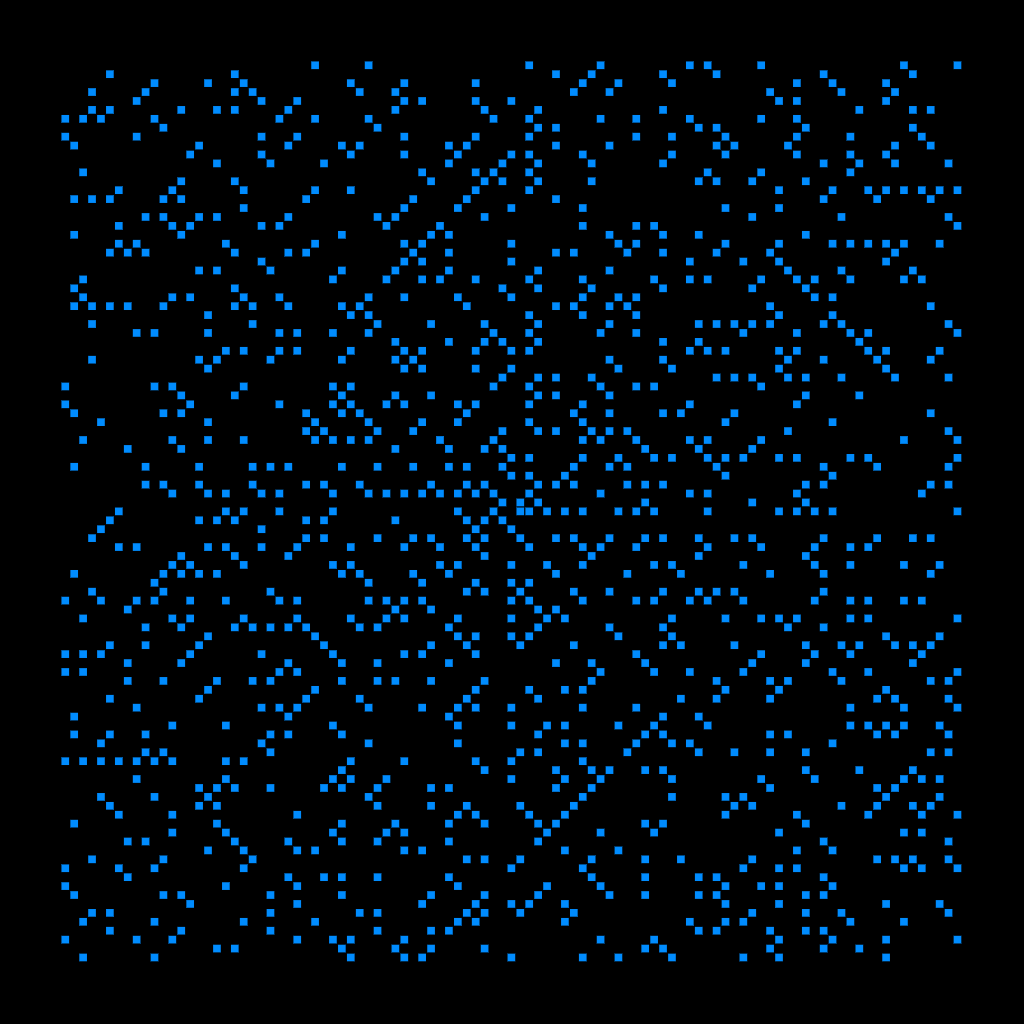
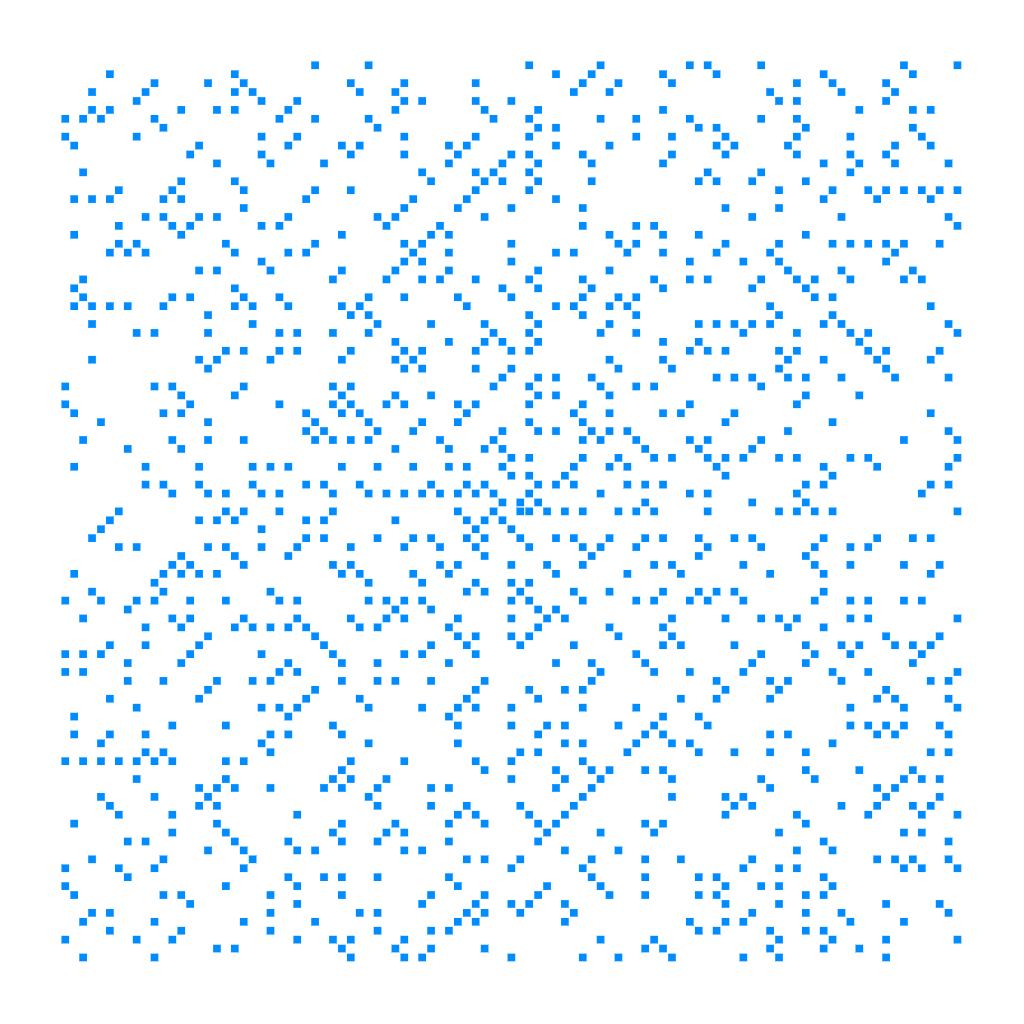
The graph Laplacian
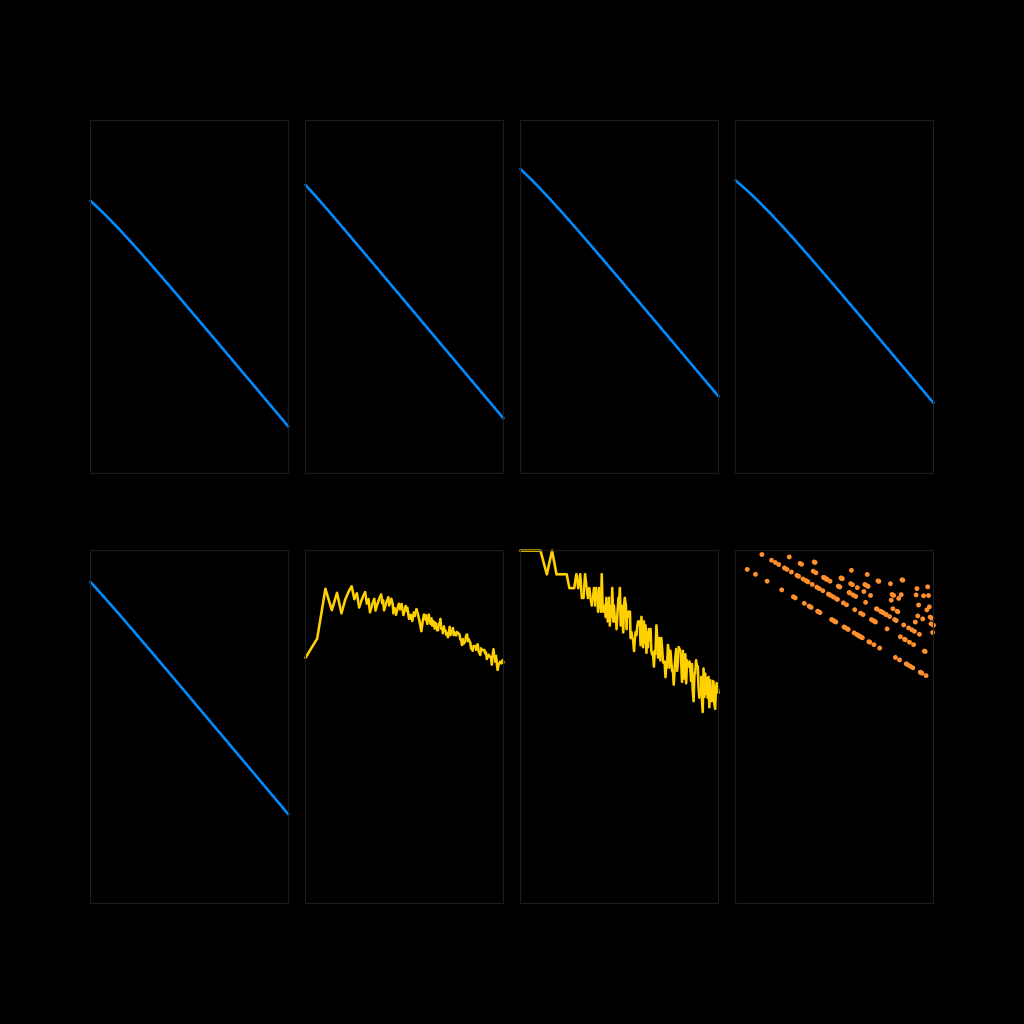
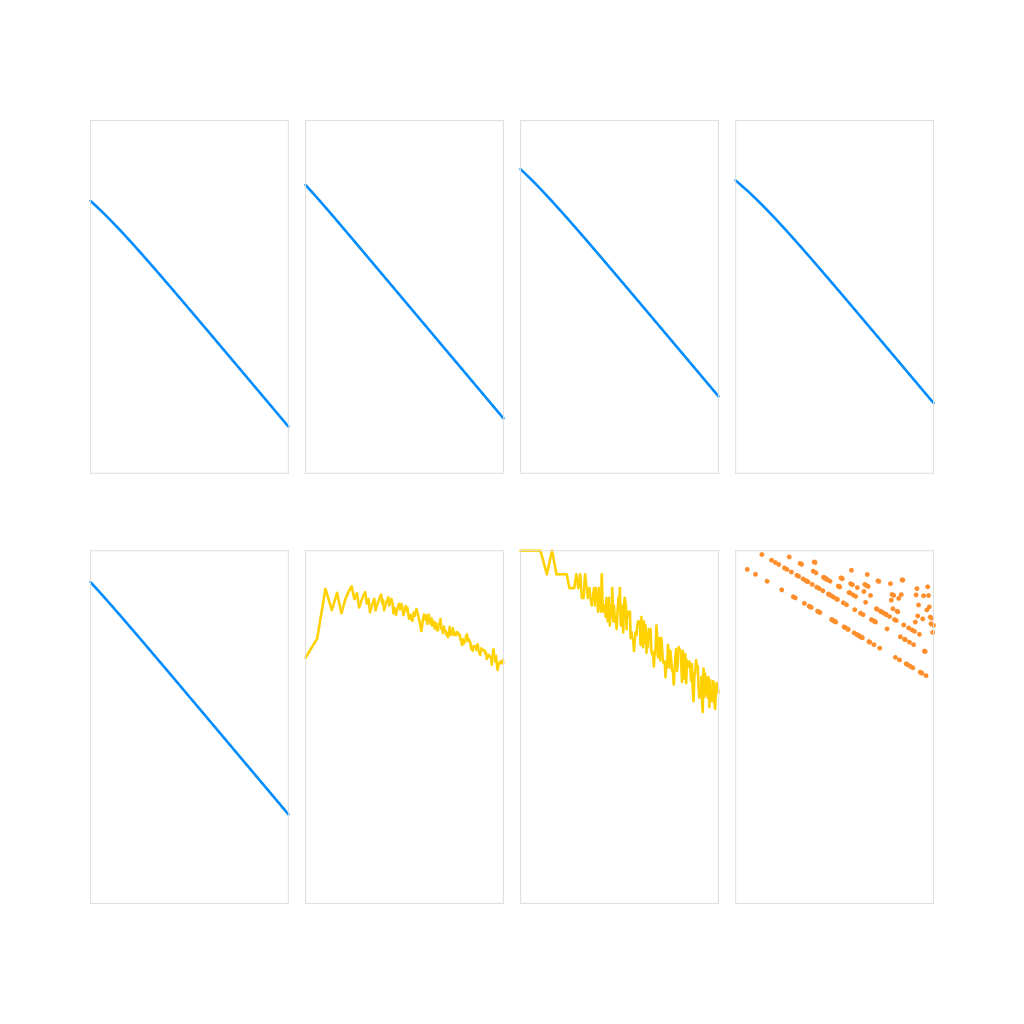
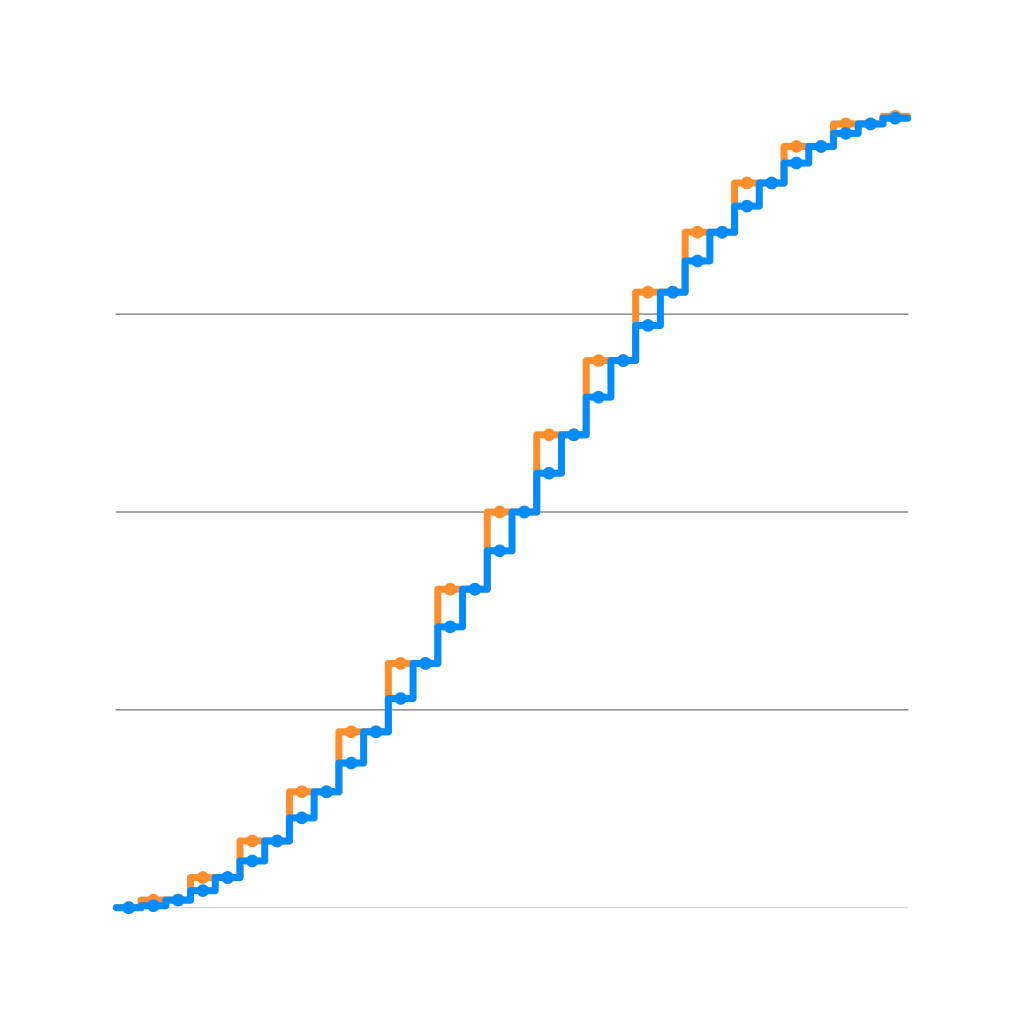
Degree minus adjacency, one table per network; its eigenvalues are the tones the network can ring at, and the staircase they make says how it is knit together.
After Graphs
The Menger sponge
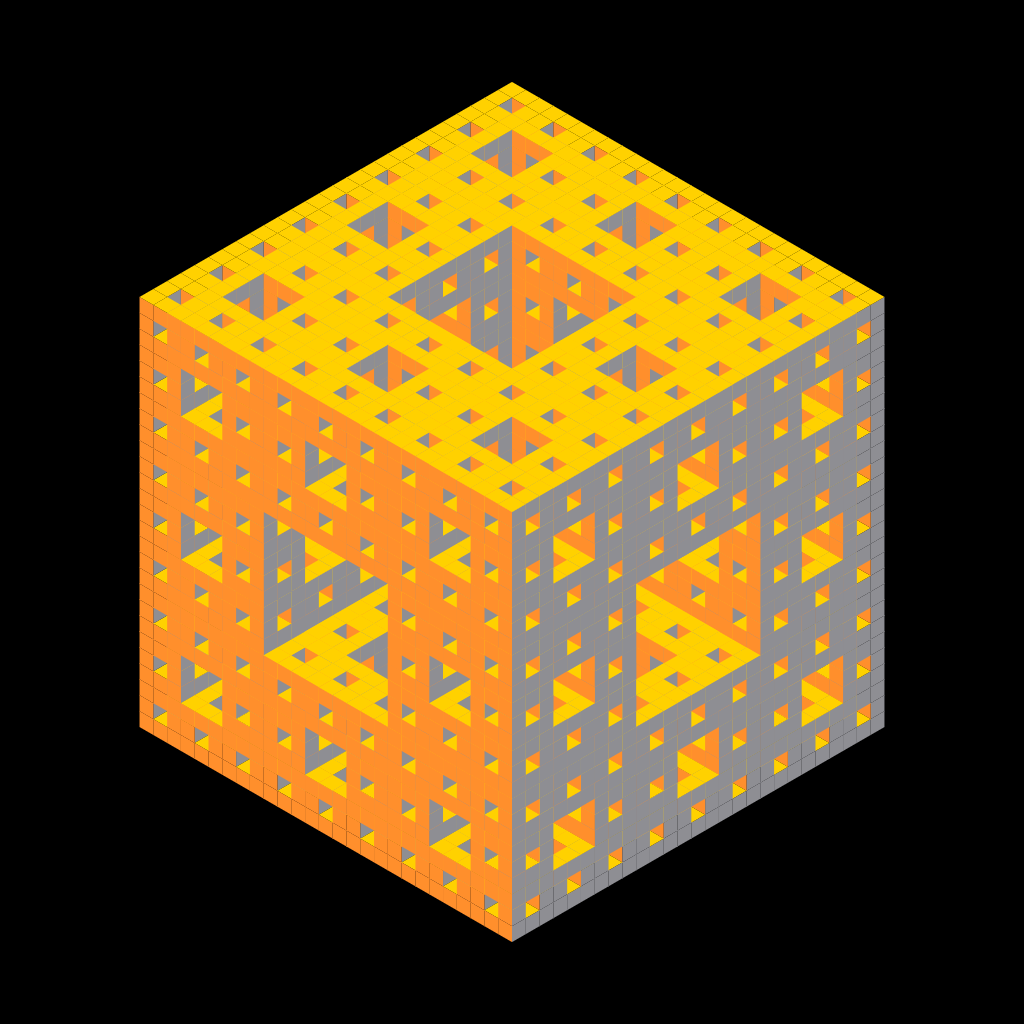
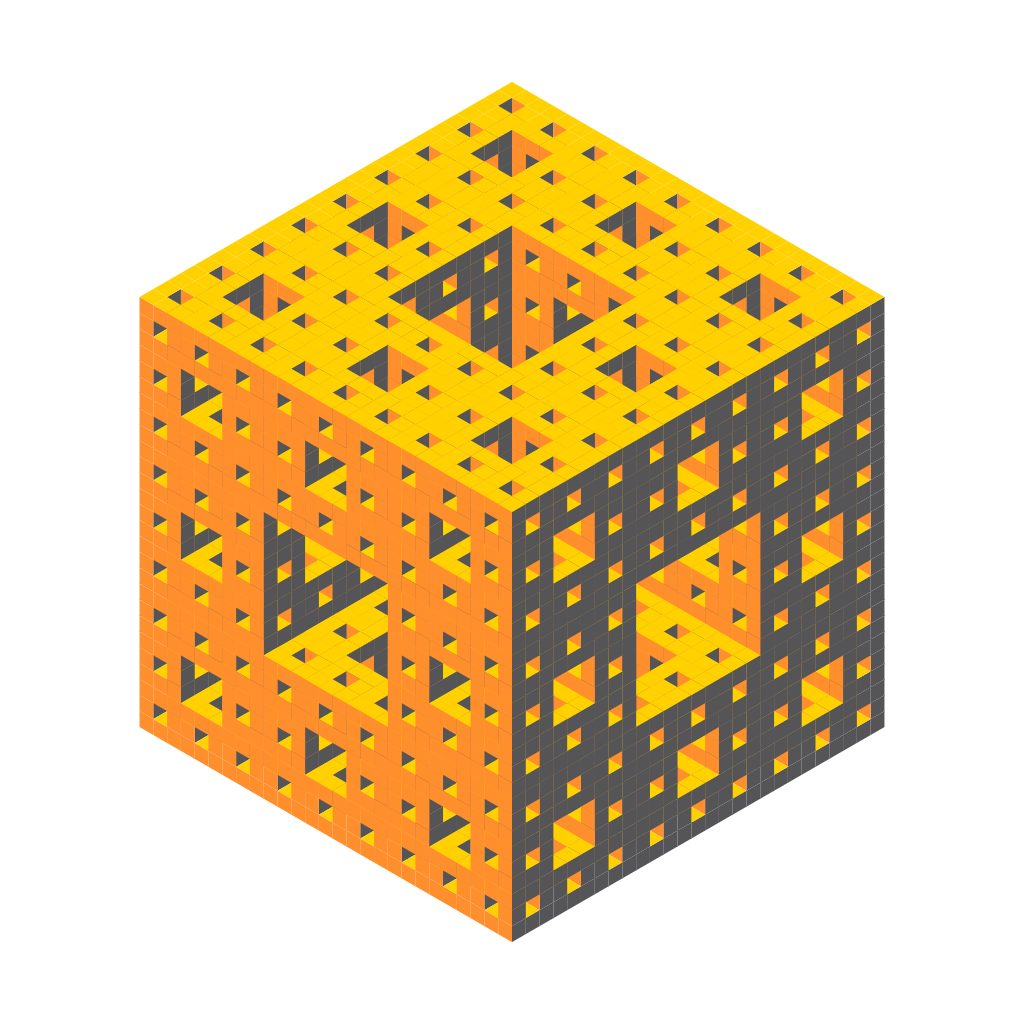
The carpet's solid cousin: cut a cube into 27, drill out the middle and the middle of each face, then do the same to the 20 cubes that are left.
After The Sierpinski carpet